What the U.S. electric-vehicle label measures: range, MPGe, and charge time
FuelEconomy.gov says an electric-vehicle label's range is combined city and highway miles from a full charge, and that MPGe uses the energy in a gallon of gasoline. A 2017 draft summary prints a 0.7 adjustment and 33.705 kWh per gallon.
Last updated
This is not financial, tax, or investment advice. It is a report. Confirm the figures with the cited source and a qualified adviser.
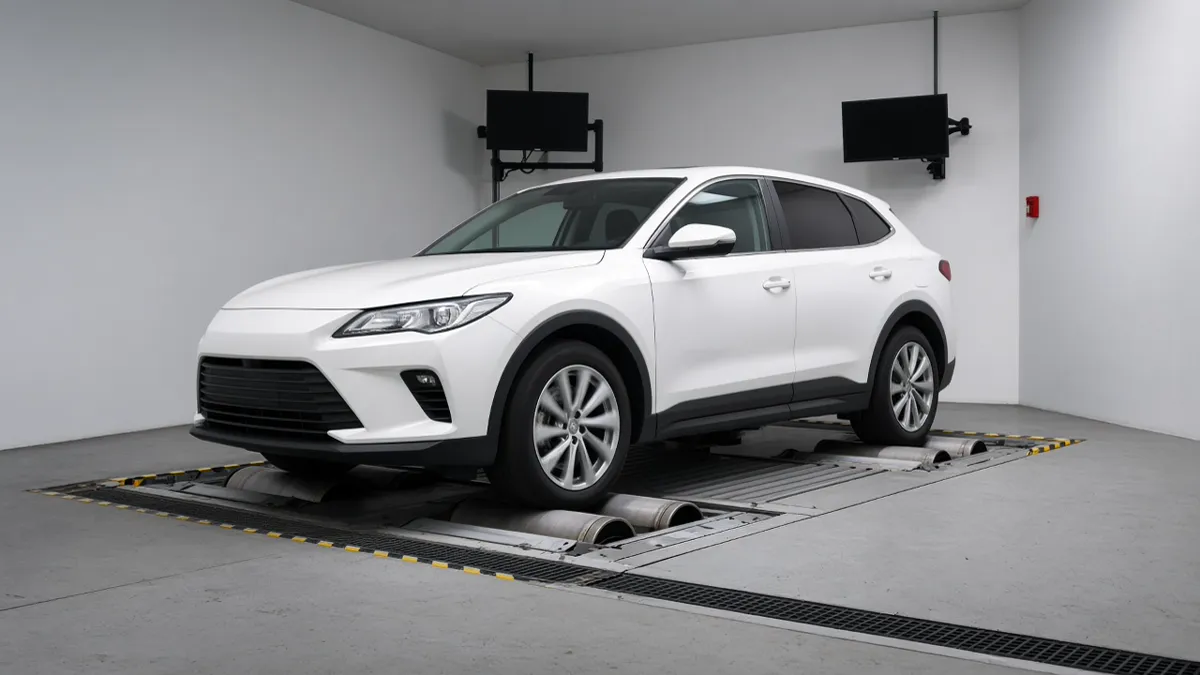
The electric-vehicle label page on FuelEconomy.gov says the driving-range figure is the approximate number of miles that can be travelled, in combined city and highway driving, on a full charge before the vehicle must be recharged. The same page says the charge-time figure is how long it takes to charge a fully empty battery on 240-volt service, unless the vehicle cannot take that voltage, and that a lower voltage than the one on the label means a longer charge. It says the label also shows how many kilowatt-hours the vehicle would use to travel 100 miles, and that any given vehicle may or may not be able to travel 100 miles on a full charge. This desk recorded the page on 29 October 2026. It does not show a publication day. The date in the source list is that access date.
The page says vehicles that do not use liquid fuels, including electric vehicles, display miles per gallon of gasoline-equivalent, or MPGe. It says that figure is the miles the vehicle can go using a quantity of fuel with the same energy content as a gallon of gasoline, so vehicles on different fuels can be compared. The FuelEconomy.gov FAQ, recorded the same day, uses that definition. The FAQ says electric range comes from running the vehicle through each test cycle until the battery charge falls to the point that the vehicle cannot follow the cycle, then weighting and adjusting those distances. It says range cannot be calculated from fuel economy and battery capacity, because manufacturers do not generally design a vehicle to use the whole pack.
The FAQ says the electricity use in the estimate is measured from the charge source, not from the battery. It gives two reasons: some energy is lost while charging, and the charge-source figure is the energy that is paid for. It says upstream energy use, before that point, is not included. The all-electric vehicles page, also recorded on 29 October 2026, says electric vehicles convert over 77 percent of the electrical energy from the grid to power at the wheels, and that conventional gasoline vehicles convert about 12 to 30 percent of the energy in gasoline. That is the page's general comparison. It is not a window-sticker rating for one model. The page does not show a publication day. The source date is the day this desk recorded it.
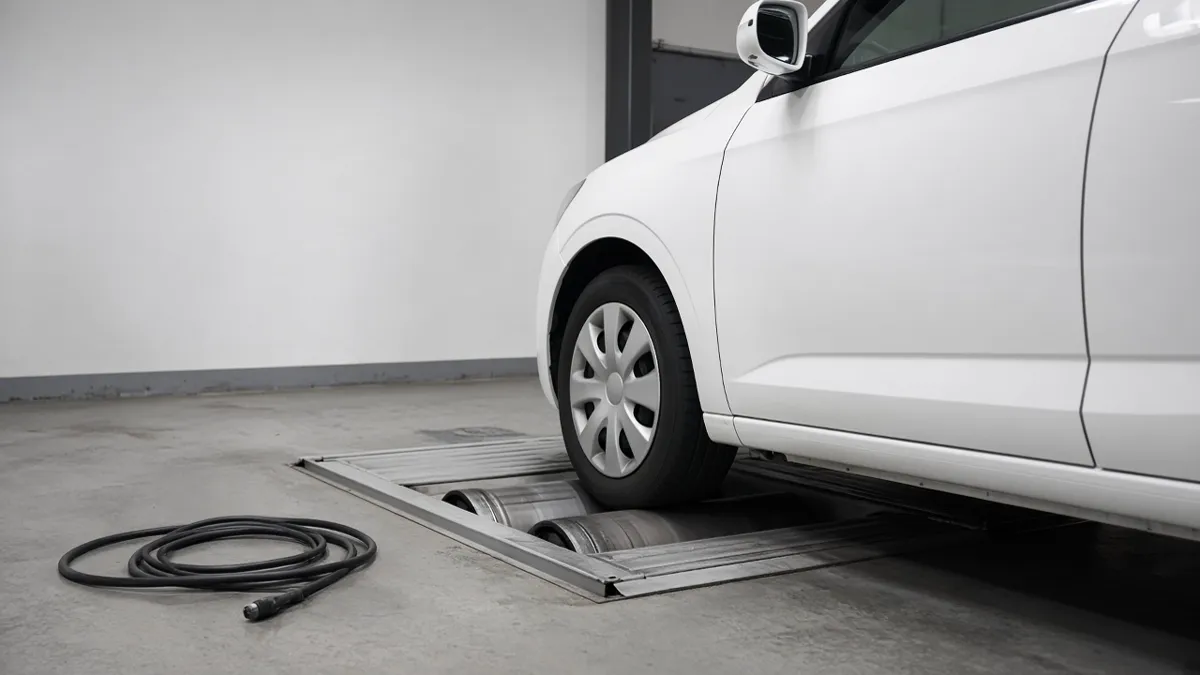
A FuelEconomy.gov draft summary dated 14 November 2017, and labeled as a draft whose regulations take precedence, describes the laboratory steps it says the testing followed. It says the procedure tracks SAE J1634. It says energy consumption, in kilowatt-hours per mile, is the energy used to recharge the battery divided by the miles traveled, and that the recharge energy includes losses in the manufacturer's charger. It prints a conversion of 33.705 kilowatt-hours of electricity per gallon of gasoline for the miles-per-gallon-equivalent figure. It says label values for fuel economy, energy consumption, carbon dioxide, and range are adjusted so they sit closer to what a driver can expect, and that one allowed method multiplies city and highway fuel economy and range by 0.7. It says that, when the summary was written, most electric vehicles used that 0.7 factor or a third method it describes. Those sentences are the 2017 draft's. This story does not say which method a 2026 or 2027 model uses.
The FAQ and that draft do not describe confirmatory testing in the same way. The FAQ says estimates are based on laboratory tests by manufacturers, and that the agency re-tests about 10 percent of vehicle models to confirm the manufacturer's results. The 2017 draft says the agency, at that time, performed confirmatory testing on all new light-duty electric vehicles and plug-in hybrids at its laboratory in Ann Arbor, Michigan. The 10 percent line is the FAQ's, recorded in 2026, and it is about vehicle models in general. The line about every new electric vehicle is the draft's, and it is dated 2017. This desk is not choosing one as the current rule.
The detailed test page, recorded on 29 October 2026, says electric vehicles and plug-in hybrids are driven on the same cycles as other vehicles, under the same conditions, and that range is estimated by driving until the battery cannot supply the speed and acceleration the cycle requires. It says that beginning with 2008 models, three further tests adjust the city and highway estimates for higher speeds, air conditioning, and colder temperatures. Its cold-temperature column lists a laboratory at 20°F, with the heater on and the air conditioning off. That cycle is not the AAA laboratory comparison in cold weather and electric-car range. The AAA story notes that AAA's 2026 report says its own figures should not be set beside EPA labels.
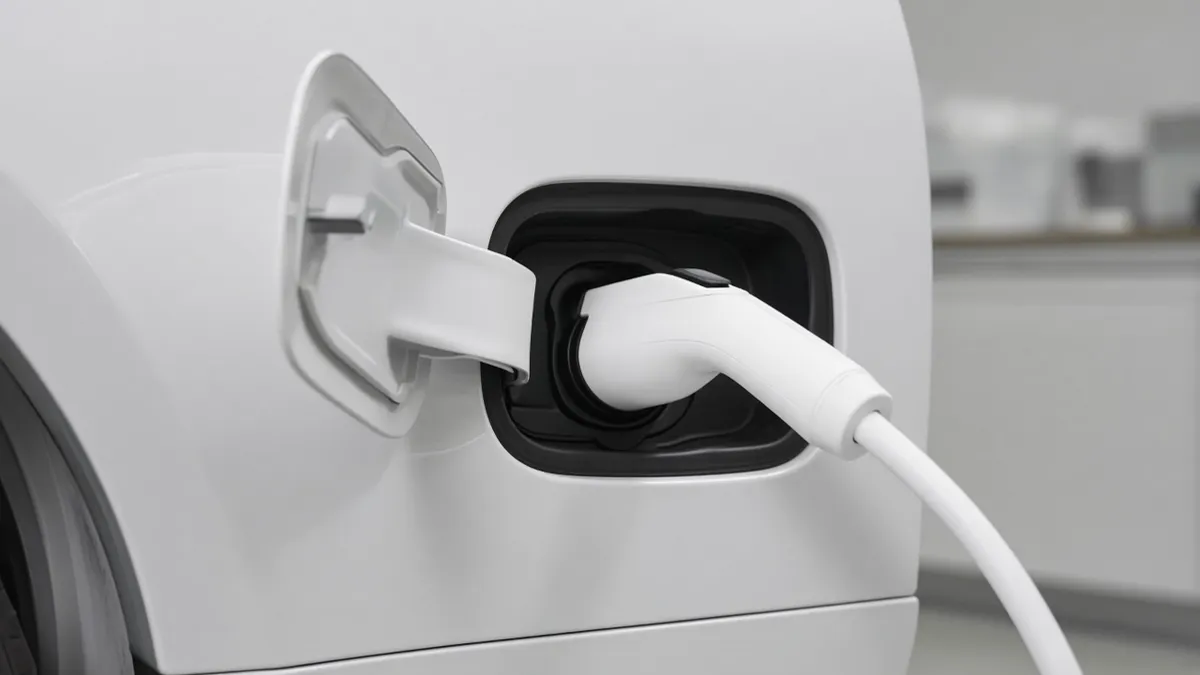
The label page says that, for most vehicles, combined miles per gallon weights the city value at 55 percent and the highway value at 45 percent. It places that sentence before it turns to MPGe. This story does not treat the 55/45 split as a line the page applied, in those words, to electric MPGe.
On cost, the label page says the five-year comparison assumes 15,000 miles a year for five years, and it prints 12 cents per kilowatt-hour as the electricity price in its example. It says the annual fuel-cost figure also assumes 15,000 miles and a projected electricity price. It says the sample price is illustrative, and that the price listed on new-vehicle labels comes from Energy Information Administration projections for the model year. The 12 cent example is not the August 2026 U.S. residential average. That later figure, 18.16 cents, is in what it costs to charge an electric car at home. The label's cost lines are the page's description of the sticker. They are not a household bill, and they are not a recommendation.
The same page says a vehicle that runs only on electricity has zero tailpipe greenhouse-gas emissions, and that generating the electricity can still produce emissions that vary with the source. It says the greenhouse-gas rating on the label is based on tailpipe carbon dioxide only. A manufacturer's range claim is a different number from this label. Lexus's 301-mile figure for one 2027 RZ is the company's estimate in its own newsroom post.
More from the Cars desk.