Ionity tells electrive a battery system is running at Wertheim, with about 50 more planned for 2027
electrive reported on 27 October that Ionity's first site battery, in Wertheim, had been running for a few days. Ionity described about 50 systems and more than 20 megawatt-hours in 2027.
Last updated
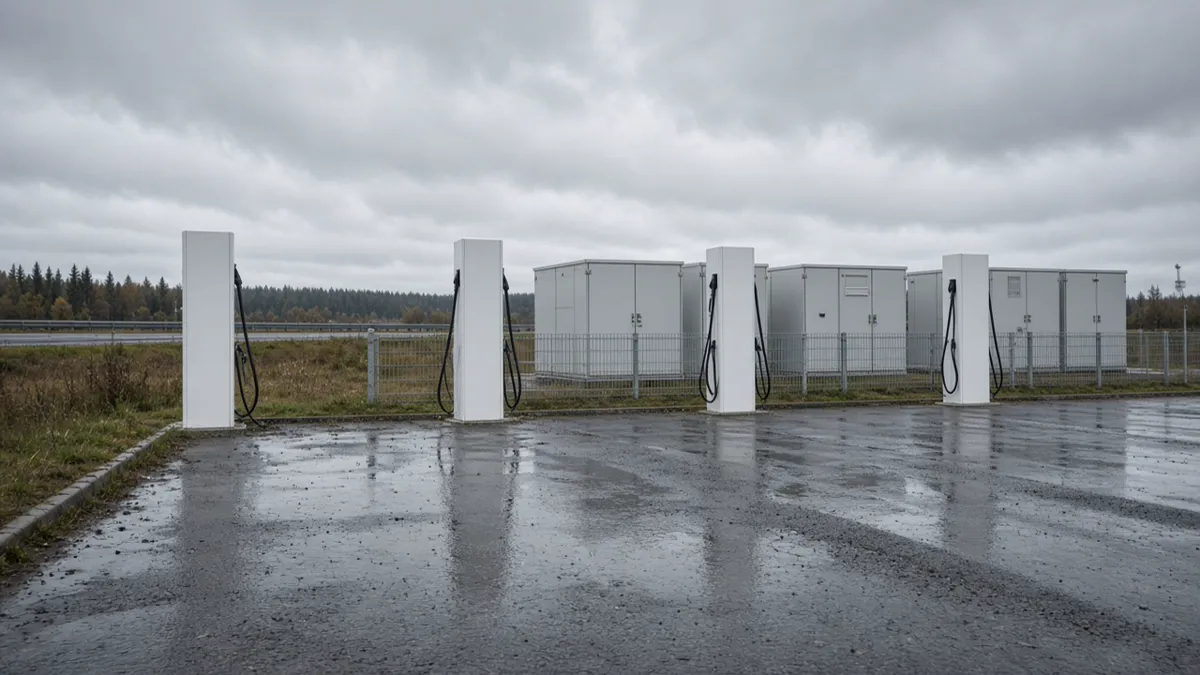
Ionity has put a battery storage system at a charging park for the first time, electrive reported on 27 October 2026. The story, by Florian Treiss, says the company explained the plan in answer to an electrive query. It says battery storage is a key part of how Ionity wants to expand: at selected sites, to add charging points and use the available energy more efficiently, and, where there are solar panels, to store that power for later charging.
electrive says the first park with the storage had been operational for a few days in Wertheim, Baden-Württemberg. It places the site between an exit of the A3, a McDonald's, and the Wertheim Village outlet centre. It says the park previously had four charging points and now has six, all Alpitronic HYC400 units, because of the battery system. It says two further points are to follow soon, on an ABB charger with a peak of 350 kilowatts. Those counts and the hardware names are electrive's.
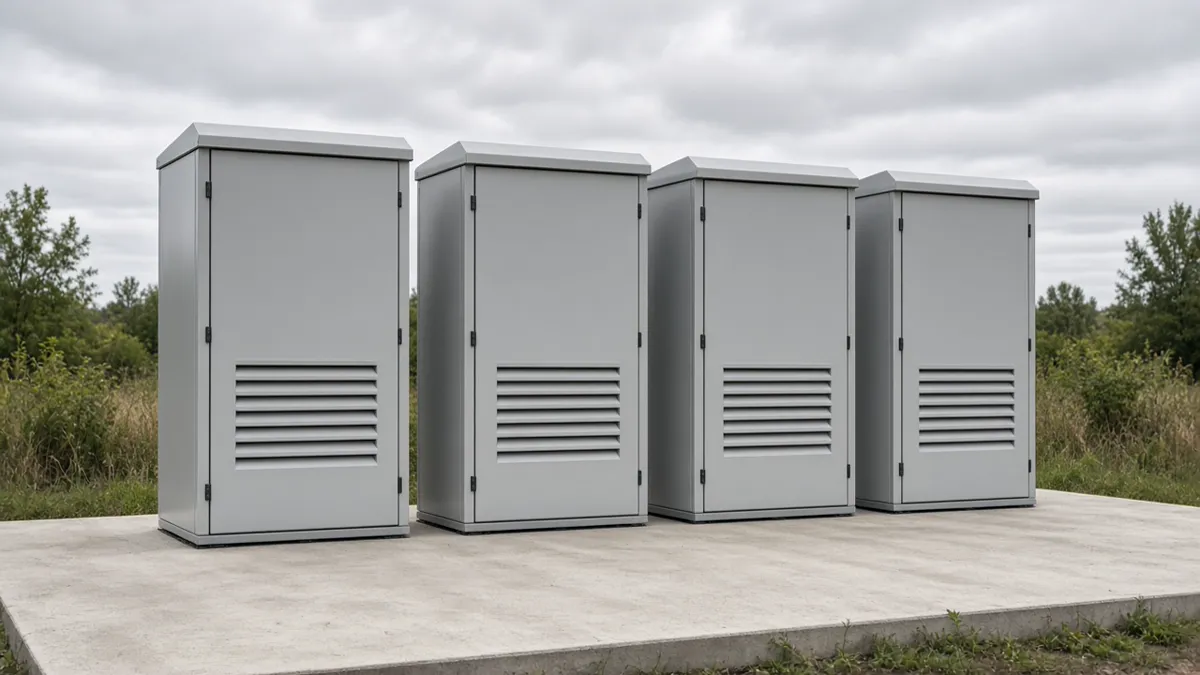
The storage, electrive says, is from Sungrow. It describes four modular units, 1,028 kilowatt-hours in total, and a maximum output of 500 kilowatts, housed in outdoor cabinets on the site. It says the main job in Wertheim is to bridge the wait for a medium-voltage grid upgrade. According to Ionity, as electrive reports it, that upgrade can take up to three years. An energy-management system is meant to split power among the grid connection, the batteries, and the charging points. electrive says Ionity also sees the batteries supplying extra power, and cutting peaks, when the park is busy. The story does not print the size of the existing grid connection, or what the system cost.
A second project, in Hemsbach, Baden-Württemberg, is still a plan in that account. electrive describes a new park, not an operating one: a photovoltaic canopy of more than 223 kilowatts peak, storage of more than 2 megawatt-hours, and twelve fast-charging points, with locally generated solar power stored and used later. It contrasts that with Wertheim, where the account does not say the batteries are charged from panels on the site.
For 2027, electrive says Ionity plans around 50 battery systems across Europe, together more than 20 megawatt-hours. It quotes Christoph Strecker, whom it identifies as head of rollout at Ionity: "For us, it's not just about building more charging points, but about creating the right charging infrastructure in the right locations and continuously improving the charging experience for our customers." A second sentence in the same story: "Battery storage systems play a key role in this: they enable us to open up new locations, use electricity more efficiently, and take on an active role in the energy system in the future. Wertheim is just the beginning." Those sentences are Strecker's, as electrive prints them. The 50 systems are a plan. They are not a count of sites already open.
electrive also says Ionity has so far used only external battery cabinets, not chargers with a battery built into the dispenser. It says an external unit can feed several points whatever charger hardware is on the site, and that the company is still evaluating integrated chargers. The 1,028 kilowatt-hour figure, the 500 kilowatt output, and the 2027 total are what electrive says Ionity told it. This desk did not visit Wertheim, and the story does not point to a separate company filing.
A U.S. fast-charging port count on this desk is ChargePoint's DC fast ports. What a household pays per kilowatt-hour is a different question, in what it costs to charge an electric car at home. A carmaker's stated peak, such as BMW's iX5 figure, is not the output of the Wertheim cabinets.
More from the Charging desk.