Latvia recognises Tesla Assisted Driving, which Teslarati calls the 10th EU country
Latvia's road-safety directorate recognised a Dutch provisional EU type approval for Tesla Assisted Driving on 26 October 2026, the Ministry of Economics says. Teslarati calls Latvia the tenth EU country. The system is still described as Level 2.
Last updated
Latvia's road-traffic safety directorate has recognised a Dutch provisional European Union type approval for the system now called Tesla Assisted Driving. The Ministry of Economics said on 27 October 2026 that the directorate, CSDD, took that step on 26 October. The ministry's statement, published in Latvian, says the system was previously called Full Self-Driving (Supervised). This report is an account of those documents. It is not an endorsement of the system.
The ministry says the decision matters for Latvia's openness to new technology and investment. Economics minister Viktors Valainis, in the same statement, says concrete decisions should show investors that Latvia welcomes modern technology and creates conditions for its use. The ministry says it has worked on the question for the past two years with the Ministry of Transport, CSDD, and technology companies, and that the two ministries are still working on wider rules for testing and using remotely controlled and autonomous vehicles. Those sentences are the ministry's account of its own work.
Delfi, on 27 October 2026, uses a headline that calls the system self-driving. The article under that headline describes it differently. Delfi says Tesla Assisted Driving is a Level 2 driver-assistance system that can follow the speed regime, brake, steer, change lanes, and cross intersections while following a navigation route. Delfi says the driver does not have to keep hands on the wheel the whole time, but must be ready to take over at once. It says a driver-monitoring system watches whether the driver's gaze is on the road, warns if attention wanders, and, if warnings are ignored, makes the assistance unavailable for a time.
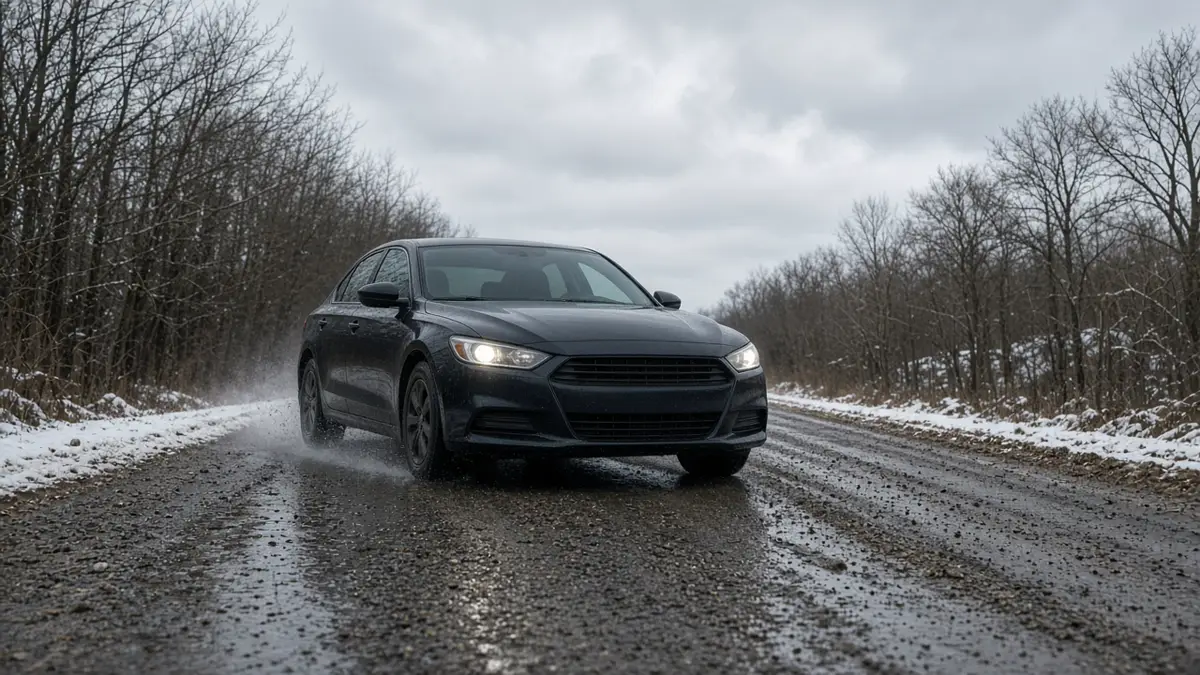
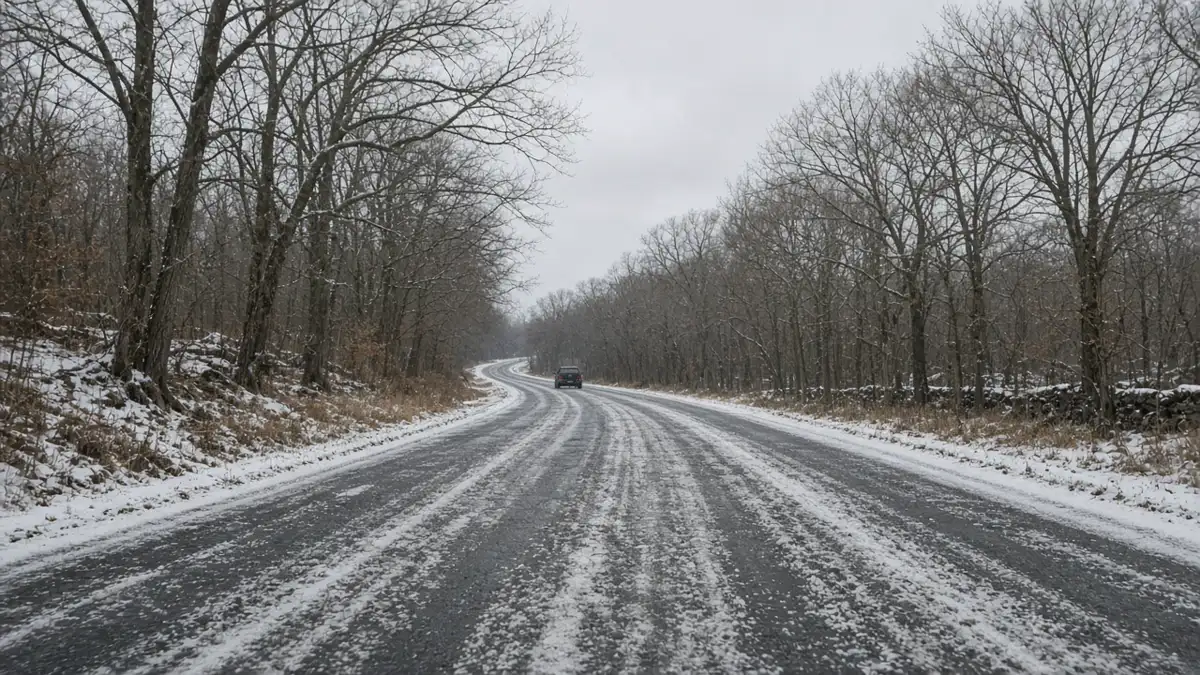
Delfi says the decision followed a review of the Dutch approval authority's documentation, coordination with that authority and with other member states' approval authorities, and a review of information from the manufacturer about changes. Those changes, Delfi says, lower the threshold for exceeding the maximum allowed speed, reset a manually set speed offset after each trip, and strengthen driver monitoring. Delfi says CSDD asks drivers to read the manufacturer's information on how the system works and where it is limited before they use it. Delfi says CSDD warns that snow, mud, and salt can interfere with it in Latvia, that it can work poorly on gravel roads, and that in those conditions it can hand control back to the driver unexpectedly.
Teslarati, in a story dated 26 October 2026, calls Latvia the tenth European Union country to authorise the system. It says the approval follows recognition of a provisional European type approval first granted by the Netherlands' RDW on 10 April 2026. Teslarati says the sequence of recognitions began with the Netherlands in April and continued through Lithuania, Estonia, Denmark, Belgium, Slovenia, Czechia, Croatia, and Slovakia. It says most of those countries relied on mutual recognition of the single Dutch provisional approval rather than independent national testing. This desk did not open each of those national decisions. The list is Teslarati's.
Teslarati says those national clearances are not an authorisation for the whole bloc. It says an EU-wide decision needs a qualified majority in the Technical Committee on Motor Vehicles: at least 15 of 27 member states, representing 65 percent of the EU population. It says larger markets, including Germany, France, and Italy, remain under review, and that a vote is expected in December. Teslarati also describes the system as Level 2, not unsupervised autonomy, and says the driver must keep watching the road and be ready to intervene immediately.
The ministry's name for the system, Tesla Assisted Driving, is the name used above. Teslarati says that, in Europe, the feature is marketed under that name after a rule change that labeled "Full Self-Driving" misleading. That characterization is Teslarati's. The ministry says the system was formerly called Full Self-Driving (Supervised). It does not, in the statement this desk read, discuss that naming rule.
Tesla's own safety statistics are not in the ministry statement, the Delfi article, or the Teslarati story as this desk is using them, and they are not repeated here. A separate Cars desk story covers what Tesla's third-quarter update says about FSD (Supervised) on new deliveries in North America, including Tesla's statement that the driver must stay attentive. Permits for robotaxi demonstrations in China are a different story, about other companies and other cities.
More from the Cars desk.