Volkswagen Pauses Electric ID. Golf Development as Cost Pressures Tighten
Volkswagen has temporarily halted development of the electric ID. Golf, putting a high-profile future model on hold while the German automaker works to...
Last updated
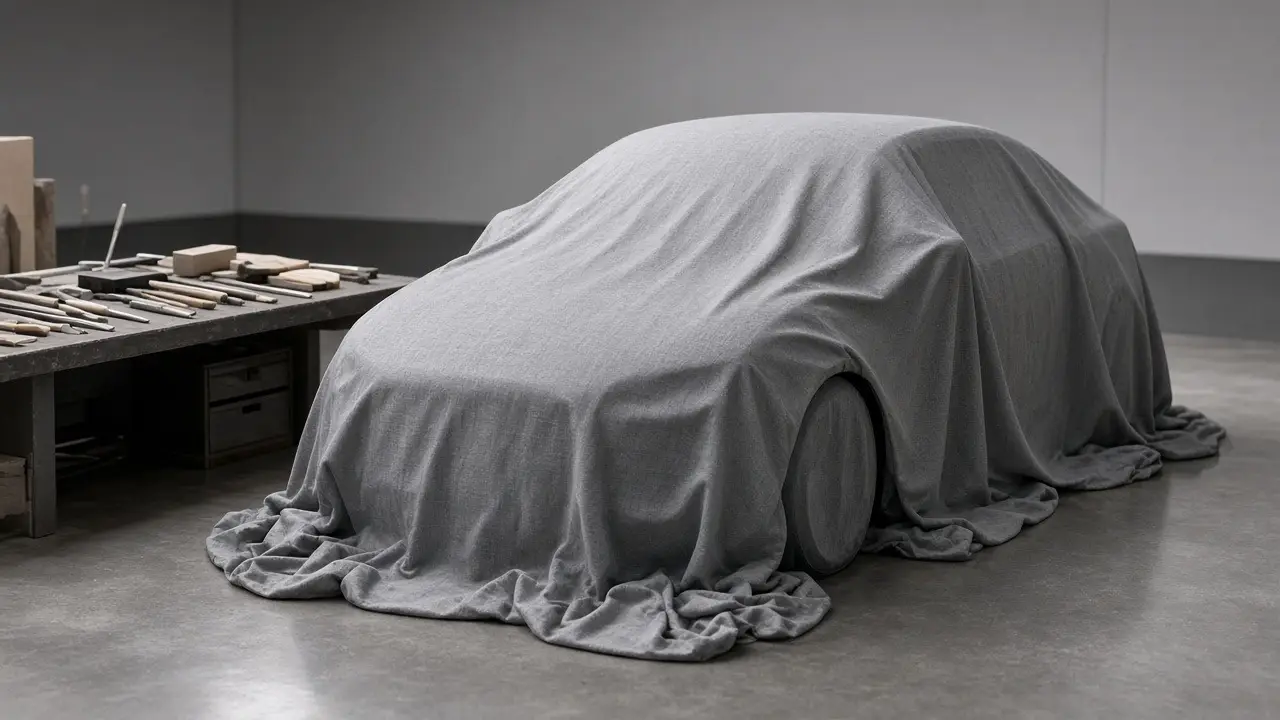
Volkswagen has temporarily halted development of the electric ID. Golf, putting a high-profile future model on hold while the German automaker works to bring spending under control. The company says it intends to resume the project once it can support the required investment, but it has not announced a restart date.
The decision, reported by EV.com, concerns the battery-electric version of one of Volkswagen's most recognizable nameplates. It does not amount to a cancellation. Instead, it places another question mark over the timing of a car whose expected arrival had already moved beyond its original target.
Investment Discipline Takes Priority
Volkswagen brand chief Thomas Schäfer disclosed the pause in an internal interview, according to the reporting summarized by EV.com. The automaker subsequently acknowledged the measure in its nine-month financial results for Brand Group Core, linking it to the need to secure funding for development.
The wider financial picture helps explain the decision. Volkswagen Group recorded a net loss of approximately €5.8 billion in the third quarter of 2026, with the company pointing to a Porsche write-down, difficulties in China and restructuring expenses. These pressures have prompted tighter control over investment and working capital.
Within Brand Group Core, net cash flow for the first nine months fell from €4.34 billion to €1.43 billion. Revenue was approximately €106.4 billion, while operating profit declined from €4.72 billion to €4.33 billion. Operating return on sales narrowed from 4.4% to 4.1%, according to the EV.com report.
The Volkswagen Passenger Cars brand showed a sharper decline. Operating profit dropped to €813 million from €1.48 billion, leaving an operating return on sales of 1.3%. Volkswagen said that figure would have reached 2.6% without special items, including restructuring, the planned sale of its Osnabrück plant and the conclusion of ID.4 production in Chattanooga.
An Uncertain Launch Window
The ID. Golf was initially targeted for 2028, before its anticipated arrival shifted toward the end of the decade. Whether the latest development freeze will push the schedule back again remains unresolved.
Volkswagen's works council has indicated that it believes lost development time can be recovered, according to Reuters reporting referenced by EV.com. That position offers some reassurance, but it is not a confirmed production timetable. Volkswagen has not specified when engineering work will restart or provided a definitive launch date.
The electric Golf is intended to use the group's next-generation Scalable Systems Platform, or SSP. Developed with Rivian, the architecture is designed to reduce technical complexity and costs. The model's prospects are therefore tied not only to Volkswagen's immediate spending decisions but also to progress on technology planned for future electric vehicles.
Existing EVs Carry the Lineup Forward
While the ID. Golf waits, Volkswagen has other electric models in its portfolio. EV.com identifies the updated ID.3 Neo alongside the more affordable ID. Polo and ID. Cross as vehicles supporting the brand's current electric strategy.
Wolfsburg remains the planned production location for the electric Golf. Meanwhile, production of the combustion-engine Golf is scheduled to move to Mexico in 2027, marking a separate change for the long-running model family.
For prospective electric Golf buyers, the central distinction is between a project that has been stopped permanently and one whose development has been suspended for financial reasons. Volkswagen is describing the present decision as temporary. Nevertheless, until the company secures the necessary investment and sets a new timetable, the ID. Golf's arrival remains uncertain.