Sazgar opens a 12,000-a-year tricycle plant in the Philippines, with electric models first
Sazgar Philippines has opened a plant in Biñan City, Laguna, that can assemble about 12,000 three-wheelers a year, with electric models making up 60% of the first production mix. President Ferdinand Marcos Jr., who toured the site on 29 October, urged the company to use more Philippine-made parts.
Last updated
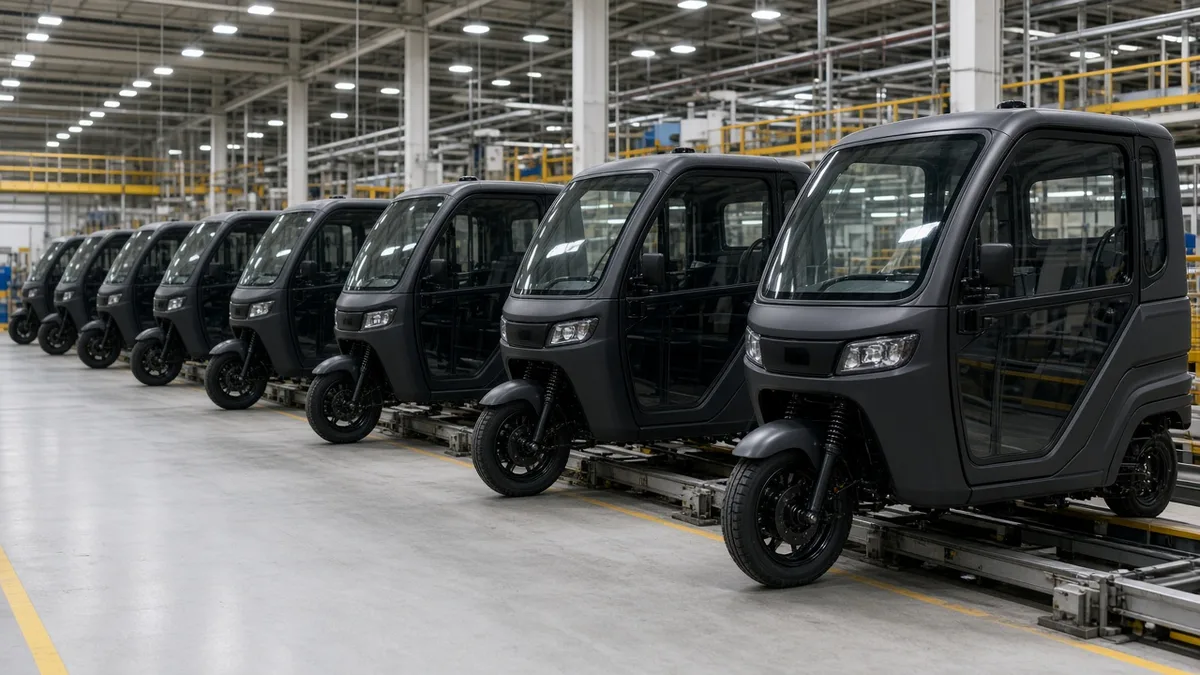
A new factory in the Philippines will build electric tricycles, the motorcycle-and-sidecar taxis that carry passengers in towns across the country. Sazgar Philippines inaugurated its plant in Biñan City, Laguna, on Thursday 29 October, according to the Daily Tribune. The site is designed to assemble about 12,000 three-wheelers a year, and electric models make up 60% of the initial production mix, with petrol models making up the rest.
A first plant outside Pakistan
Sazgar Philippines is linked to Pakistan's Sazgar Engineering Works. PTV News, the state broadcaster, reports that the Laguna facility is the first the firm has set up outside Pakistan, and that the long-term plan is for it to serve as a main manufacturing hub for Southeast Asia. PTV also reports that the Philippine company is 60% Filipino-owned. BusinessMirror reports that the plant is expected to employ about 3,000 people.
President Ferdinand Marcos Jr. toured the plant and spoke at the event. In his speech, published by his office, he said the project qualified under the government's Strategic Investment Priority Plan, a list of industries that can receive incentives. He said at least a quarter of each vehicle's value is added locally.
What the electric tricycles can do
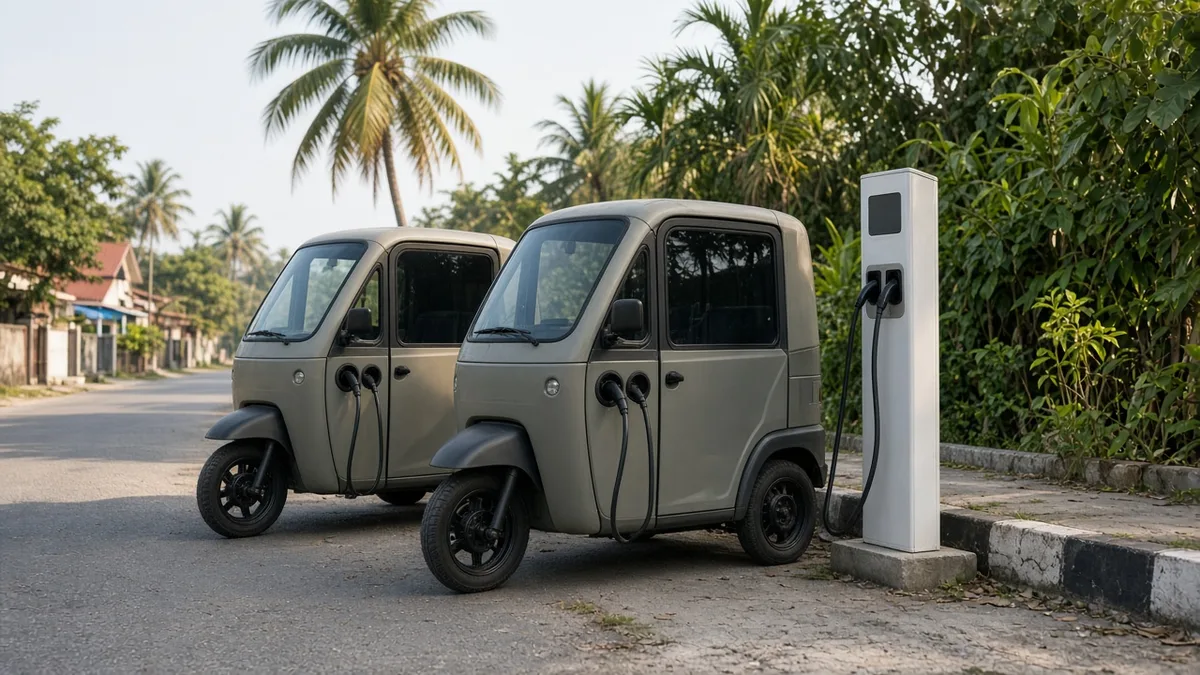
PTV reports that Marcos said Sazgar's electric three-wheelers can travel 100 to 210 kilometres on a single charge. In his speech he compared that with typical use, saying tricycles cover about 90 kilometres a day in cities and about 110 to 120 kilometres a day in the provinces. On those figures, the longer-range versions could cover a full day of driving on one charge, while the shorter-range ones would be tighter in rural areas. The speech gives a full charge time of six to eight hours.
Analysis: Range matters because a vehicle that needs charging in the middle of a shift takes time away from carrying passengers. The speech and reports do not give running-cost figures for Sazgar's models, so this desk cannot compare them with petrol tricycles.
A push for local parts
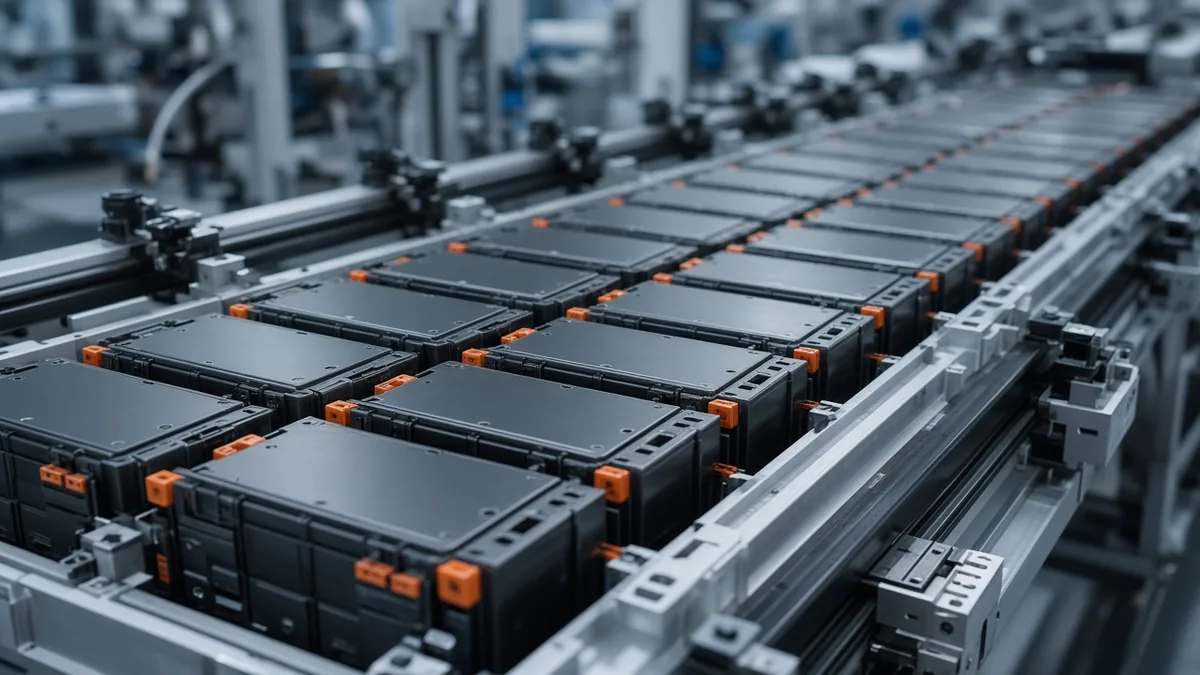
Marcos used the visit to press for more Philippine content. In the speech he named parts such as batteries, glass, seat foam, upholstery, rubber and lubricants as items that could be made locally, and said the company expects to source all of its parts in the Philippines within about a year. That is the company's stated plan as relayed by the President, not something that has happened yet.
The Philippines has set a target of electric vehicles making up 50% of its vehicle fleet by 2040, PTV reports. In the speech, Marcos also cited Department of Energy figures showing more than 420 accredited charging-station providers as of August 2026.
What we still do not know
The reports do not give the size of Sazgar's investment, the retail prices of the electric models, or when the first units will reach buyers. They also do not say which battery chemistry the electric tricycles use or where the battery cells come from today.
Analysis: A local plant that leads with electric models is a practical test of whether electric tricycles for Southeast Asia can be built in the region rather than imported.
For a related story from another fast-growing market, see our report on Chinese electric car exports to Brazil.
More from the Industry desk.
Tags
Sources
- Speech by President Ferdinand R. Marcos Jr. during his visit to the manufacturing and assembly plant of Sazgar Philippines Inc. (external source)
- PBBM champions sustainable mobility in e-trike assembly plant visit (external source)
- Sazgar CEO highlights Philippine investment opportunities (external source)
- PHL EV transition gains momentum (external source)