China exported 337,104 new-energy vehicles to Brazil in the first eight months of 2026, up 159.4 percent, Xinhua reported
Xinhua, citing the China Passenger Car Association, says China exported 337,104 new-energy vehicles to Brazil in January through August 2026, up 159.4 percent. ABVE counts 22,246 battery-electric registrations in Brazil in September, up 172.3 percent.
Last updated
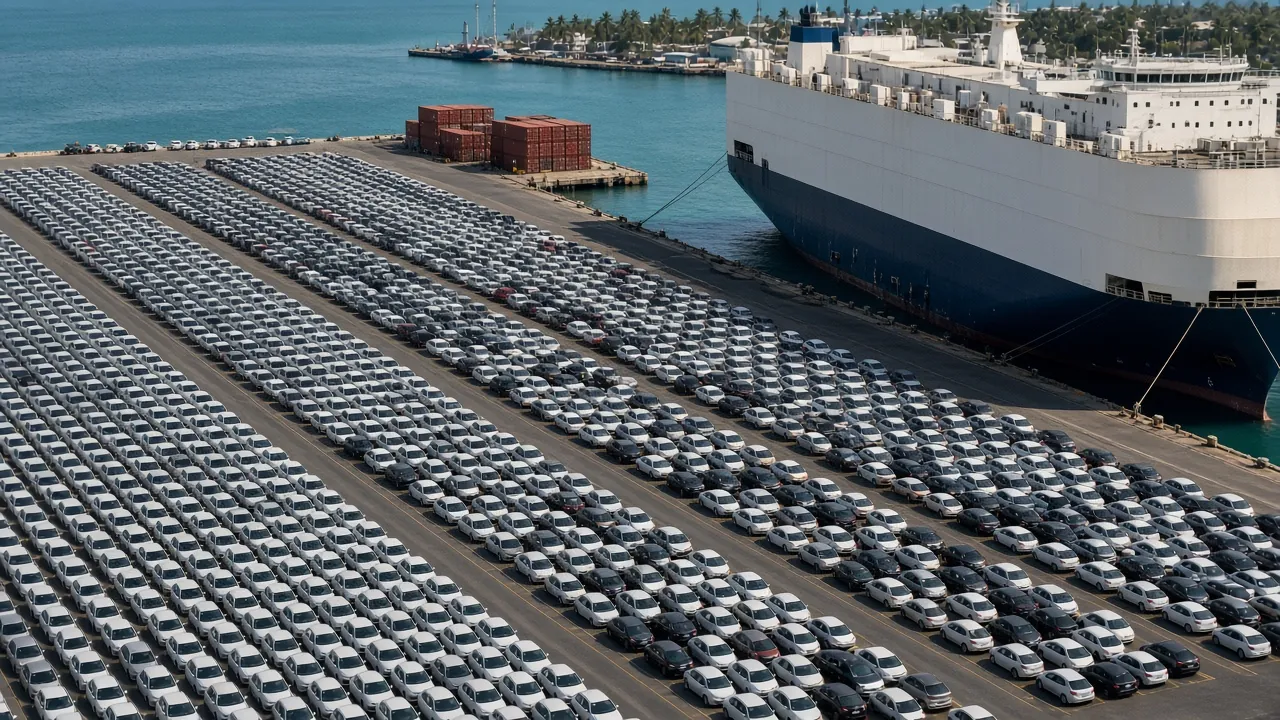
China exported 337,104 new-energy vehicles to Brazil in the first eight months of 2026, up 159.4 percent from a year earlier, and Brazil was the largest destination for those exports, Xinhua reported on 23 October 2026, citing data from the China Passenger Car Association. Cui Dongshu, the association's secretary-general, told Xinhua that a growing local manufacturing presence is expected to reshape Chinese automakers' export strategies in Brazil. The same dispatch says battery-electric registrations in Brazil rose 172.3 percent from a year earlier to 22,246 in September, according to the Brazilian Electric Vehicle Association.
That September battery-electric count is the association's own figure. ABVE, the Brazilian Electric Vehicle Association, on a page dated 8 October 2026, says battery-electric vehicles had 22,246 registrations in September, 41.9 percent of the electrified light vehicles it counts. That was down 18.1 percent from August's 27,166, and up 172.3 percent from 8,169 in September 2025. ABVE says electrified light vehicles, which in its definition are battery-electric, plug-in hybrid, and conventional hybrid models with electric drive, totaled 53,126 in September. That was down 7.4 percent from August's record 57,386, and up 148.9 percent from 21,342 a year earlier. Their share of light vehicles was 19.8 percent, against 21.8 percent in August and 9.2 percent in September 2025. ABVE attributes the total light-vehicle market, 268,721 in September, to Fenabrave. Plug-in vehicles, battery-electric and plug-in hybrid together, were 42,448, up 159.4 percent from 16,363 in September 2025. That 159.4 percent is a September registration comparison. The 159.4 percent in Xinhua's export sentence is an eight-month trade comparison. They are the same rate on different series.
ABVE does not count mild hybrids as electrified. It says that definition has applied since January 2025, because those cars do not have independent electric drive. Mild hybrids were 8,869 in September. Counted together with the 53,126 electrified vehicles, ABVE says the combined figure is 61,995, or 23.1 percent of the light-vehicle market. Xinhua's 22,246 is the battery-electric line, not that combined figure, and not the 53,126.
The tariff picture is in a People's Daily article dated 22 October 2026 and credited to Xinhua. It rounds the eight-month exports to 337,100 and repeats the 159.4 percent. It says shipments swung as tariffs rose: about 92,000 in April, 6,700 in July, and nearly 31,000 in August, up 354 percent from July, according to the China Passenger Car Association. Since July, it says, Brazil has charged 35 percent on imported electric and hybrid cars that arrive finished or partly assembled, while fully knocked-down vehicles stay at 14 percent through the end of 2026. Cui told Xinhua, in that Portuguese text, that the companies adjusted schedules and inventories and changed the mix of finished vehicles and kits, and that finished-vehicle exports would become complementary, mainly for niche models and short market tests. Xinhua's English dispatch does not print the 35 percent or the 14 percent. This desk did not open a Brazilian decree.
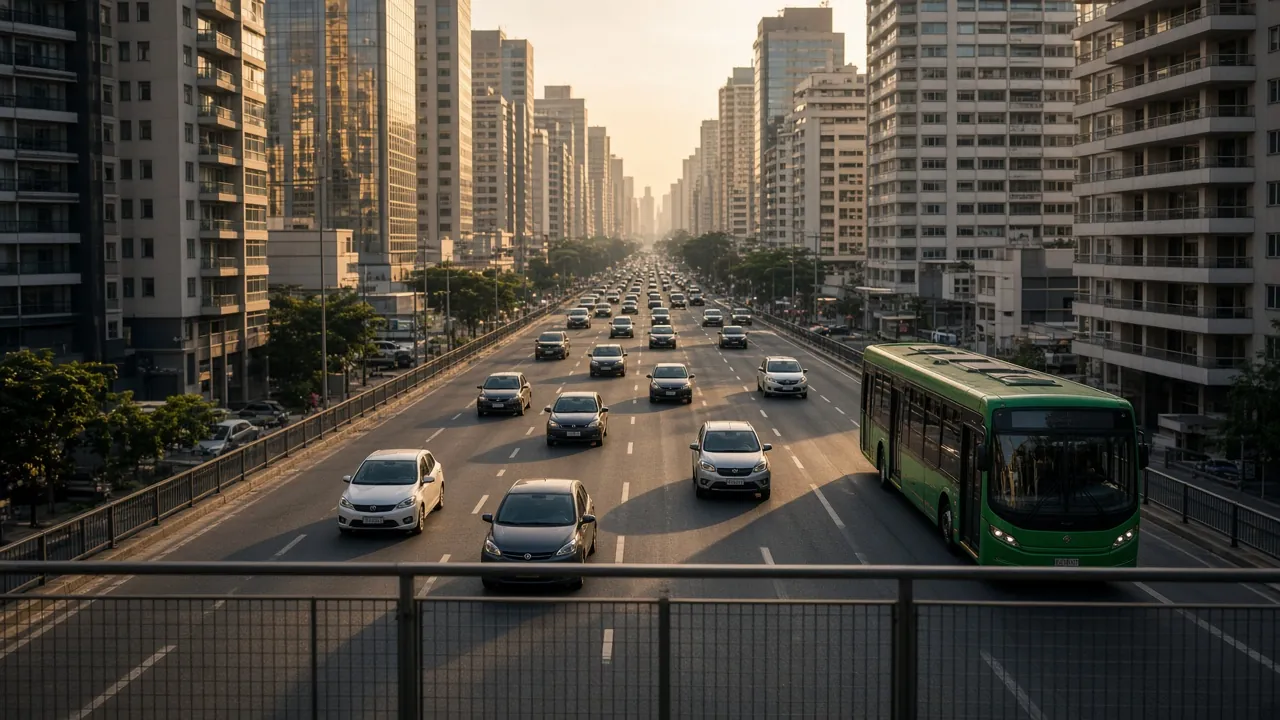
Local plants are the other half of both dispatches, and they are separate from a capacity permit this desk has already covered. Xinhua says BYD in June began testing welding and calibration of dashboard crossbeams at Camaçari, in Bahia, work the state government said had replaced parts that arrived fully built. BYD aims to produce or source more than half its components in Brazil by January 2027. By September the plant had more than 8,000 direct employees and, the company told Xinhua, was Bahia's second-largest industrial employer. Great Wall Motor's Iracemápolis plant had built more than 15,000 vehicles in eight months and employed more than 1,800 people, Xinhua says. People's Daily says Camaçari reached 100,000 assembled vehicles in July, and that BYD in September planned to hire 1,500 more on top of the 8,000. The permit request Alexandre Baldy described to Reuters is a separate story. This one does not restate that capacity figure. Vehicles already assembled and a permit for a future rate are different statements.
Both dispatches also describe ethanol-capable hybrids. Xinhua says more than 100 Chinese and Brazilian engineers spent two years on a plug-in system that runs on gasoline or ethanol, used in the BYD Song Pro launched in Brazil in August. It says Great Wall Motor in June introduced locally produced hybrids of the same kind after more than 400,000 km of testing. It says BYD in March announced a research center in Rio de Janeiro, at 300 million reais, about 59.4 million U.S. dollars. Those sums are Xinhua's. Cui told Xinhua, in the English dispatch: "This is a phased transition: first exporting vehicle kits and equipment, then encouraging auto parts suppliers to make greenfield investments or establish joint ventures."
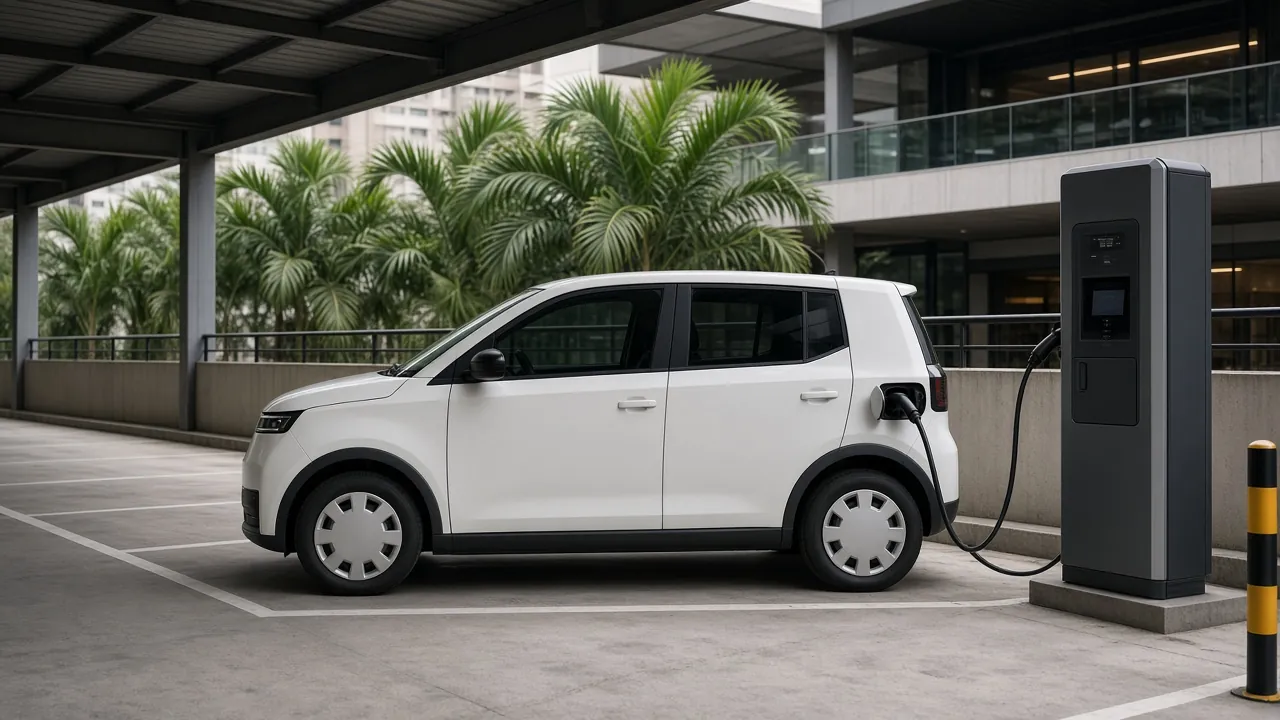
People's Daily, citing Fenabrave, says eight of the ten best-selling electric brands in Brazil in September were Chinese, together more than 90 percent of that segment, led by BYD, Geely, and GAC. ABVE puts São Paulo state first among electrified light vehicles, at 14,250, or 26.8 percent. Its series from January 2012 reached 1,003,310 with September included, and January-to-September 2026 sales of 381,609 were 38 percent of that series. Charging points in a Tupi Mobilidade survey ABVE published number at least 29,866. Ricardo Bastos, the association's president, said in its Portuguese text that the million-vehicle mark showed a new stage for the market, and that electromobility is already the present.
Analysis
The 337,104 is an eight-month export count, as Xinhua attributes it to the China Passenger Car Association. The 22,246 is September's battery-electric registrations, as ABVE prints them. A shipment in August and a registration in September are different events. The July drop to 6,700 and the August rise to nearly 31,000 are shipment figures inside the eight-month total. The 35 percent rate is what People's Daily says Brazil has charged since July on finished and partly assembled imports. Vehicles assembled at Camaçari, 100,000 by July in People's Daily, are a production milestone. The permit request in the earlier story is a separate claim about future capacity.
Tags
Sources
- Economic Watch: Chinese automakers shift gears in Brazil with local production push (external source)
- Carros chineses dominam o mercado brasileiro de elétricos enquanto a produção local avança (external source)
- Eletrificados leves ultrapassam a marca de 1 milhão de unidades vendidas no Brasil (external source)