EV charging levels explained: Level 1, Level 2 and DC fast charging
Electric cars in the U.S. charge at three broad levels. Level 1 uses a household outlet, Level 2 uses 240 V or 208 V service and suits overnight charging, and DC fast charging bypasses the car's onboard charger for road trips. Here is what each one delivers, using federal Alternative Fuels Data Center figures.
Last updated
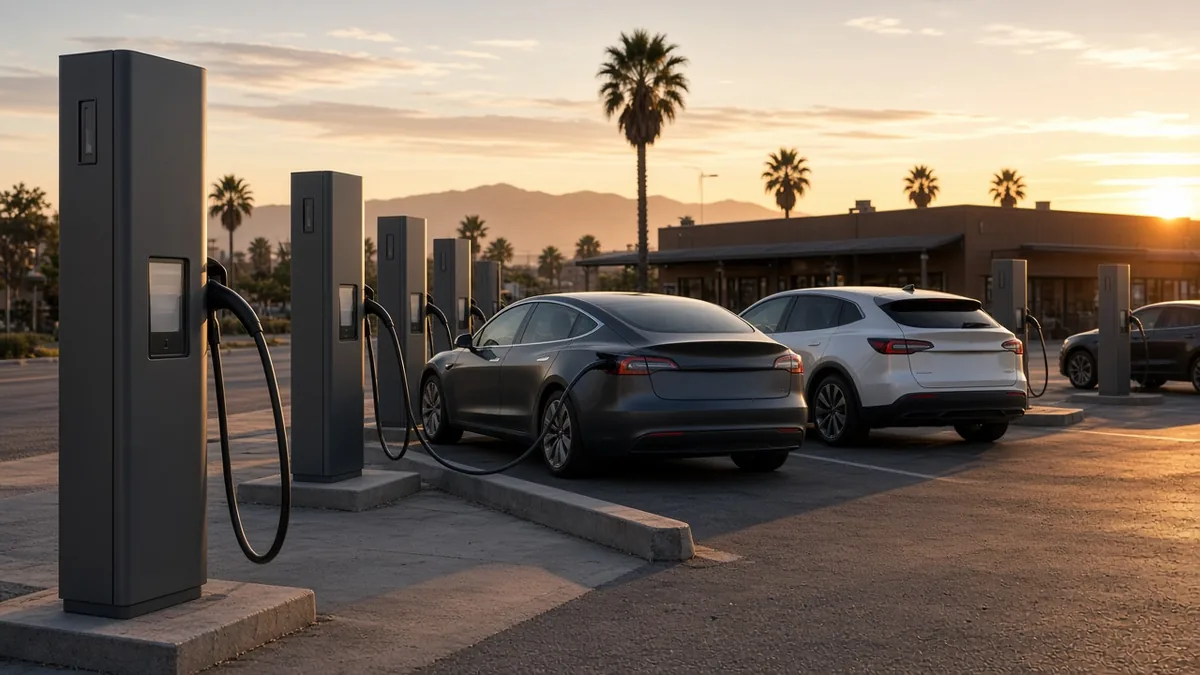
Electric cars in the United States charge at three broad levels: Level 1, Level 2 and DC fast charging. The difference is mostly about voltage, power and where the charger converts grid electricity into the direct current a battery stores. The figures below come from the federal Alternative Fuels Data Center (AFDC), run by the Department of Energy.
Level 1: the household outlet
Level 1 uses a standard 120 V outlet and the portable cord that comes with many EVs. The AFDC's example assumes about 1.9 kW of power, which adds only a few miles of range per hour. That is slow, but for a driver who covers short distances and parks for 10 or more hours a night, it can be enough. It needs no installation beyond a suitable outlet.
Level 2: the everyday standard
Level 2 runs on 240 V service, which most homes have, or 208 V, which is common in commercial buildings. The AFDC says a Level 2 unit can deliver from 2.9 to 19.2 kW and that its example adds approximately 25 miles of range per hour. Many home units run at up to 30 amps, delivering 7.2 kW, on a dedicated 40 amp circuit as the National Electrical Code requires.
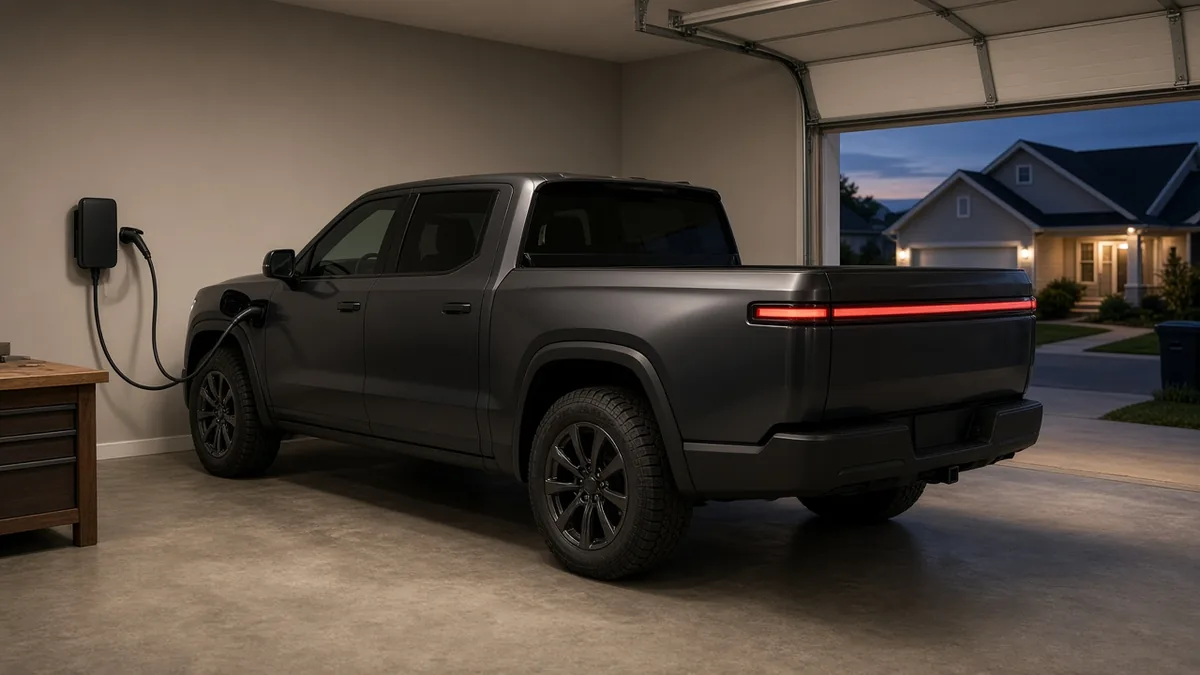
Level 2 is what most owners install at home, because it can charge a typical battery overnight. It is also the workhorse of public charging: the AFDC says nearly 80% of public charging ports in the U.S. were Level 2 as of 2023.
Both Level 1 and Level 2 deliver alternating current. The car's own onboard charger converts it to direct current, and that onboard charger caps the speed. A car with an 11 kW onboard charger will not go faster on a 19.2 kW unit.
DC fast charging: for road trips
DC fast charging, sometimes called Level 3, does the conversion inside the station and feeds direct current straight to the battery. The AFDC says units can provide up to 500 kW and gives a rough figure of 100 to 200 or more miles of range per 30 minutes. Real speed depends on the car and the battery's state of charge: most EVs charge fastest when the battery is low and slow down sharply as it fills, which is why many drivers stop at about 80%.
Plugs: J1772, CCS, CHAdeMO and J3400
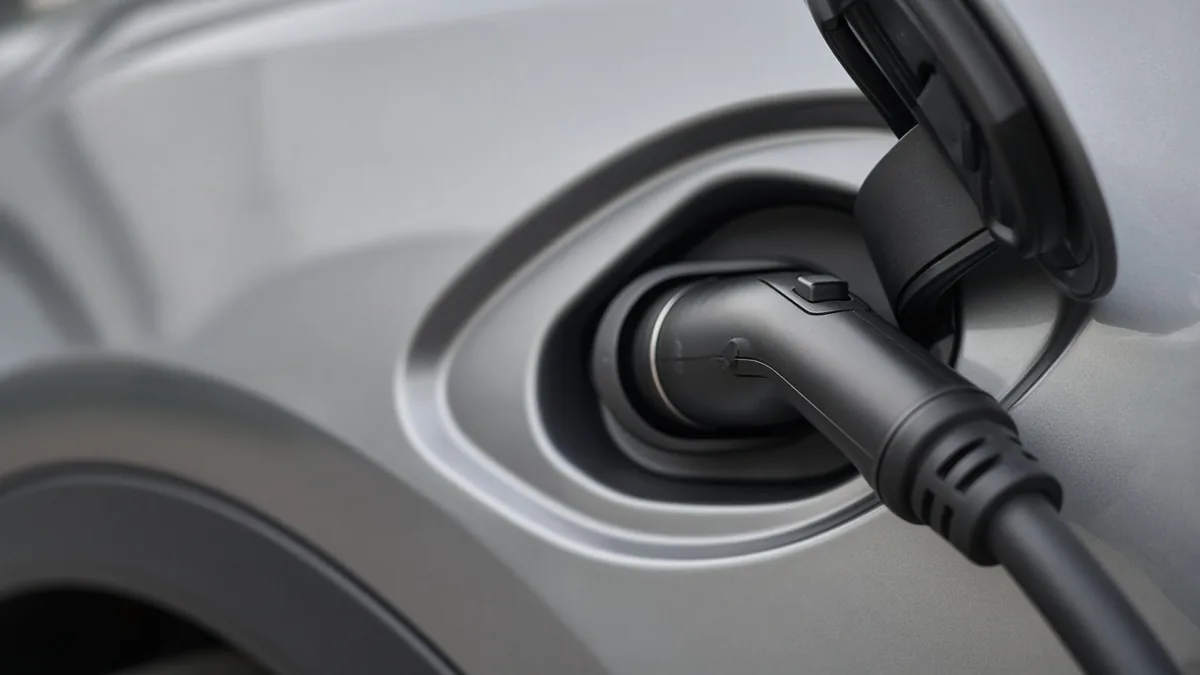
Level 1 and Level 2 in the U.S. mostly use the J1772 connector. DC fast charging has used CCS and, on older cars, CHAdeMO. The J3400 connector, better known as NACS and first used by Tesla, can handle every level through one plug, and several carmakers have moved to it. Adapters bridge the gap, but drivers should check what their car and adapter support before relying on a station.
Which one do you need?
For most drivers with off street parking, Level 2 at home covers daily use, and DC fast charging fills in on long trips. Level 1 suits low mileage drivers or plug in hybrids. Renters and apartment dwellers depend more on workplace and public Level 2 charging, which is where planning by employers, landlords and local utilities matters most, according to the AFDC's infrastructure guidance.