Thailand Approves Higher Excise Tax on Imported EVs
Thailand’s cabinet approved higher excise-tax rates for imported battery-electric and range-extended vehicles.
Last updated
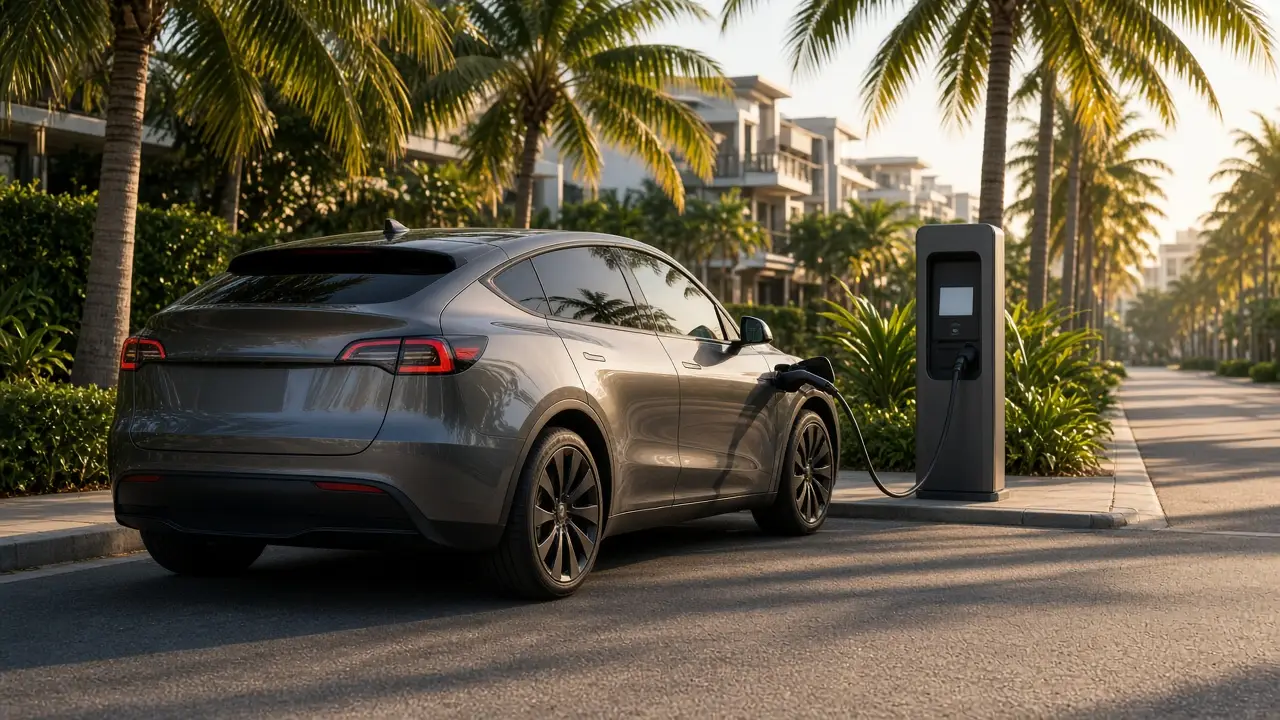
Thailand’s cabinet agreed on November 3 to raise excise tax on imported battery-electric vehicles from 10% to 35%, according to The Nation Thailand. The rate for imported range-extended electric vehicles is set to rise from 15% to 35%. The report says import quotas and implementation details remain important issues. The headline tax-rate increase does not automatically translate into the same percentage change in showroom prices.
The decision is consequential for manufacturers choosing between importing finished cars and investing in local production. Buyers may face different prices depending on how taxes interact with existing incentives, manufacturer pricing and inventory. The policy also illustrates how governments can support electrification while pursuing industrial goals that favor domestic assembly and supply chains.
The new rates and their purpose
The 35% excise rate for fully imported battery-electric cars takes effect on January 1, 2027, replacing the existing 10% rate, The Nation reported. Imported range-extended EVs will also face 35%, up from 15%. The increase is 25 percentage points for imported BEVs and 20 points for imported range-extended models; it should not be confused with a 25% or 20% increase in the final price paid by consumers.
The change is a reminder that EV policy can serve two objectives that do not always align perfectly: encouraging motorists to adopt electrified cars and encouraging companies to make those cars domestically. Lower import taxes can help buyers access affordable vehicles quickly. Higher import taxes can make local assembly more attractive, but may reduce the price advantage of some imported models.
Why Thailand is protecting its manufacturing base
Thailand has long been an important Southeast Asian automotive production center, with companies including Toyota and BYD operating in the country. The Nation reports that carmakers investing in local production can benefit from a much lower 2% excise rate, and that a senior executive at a Chinese carmaker estimated some imported EVs could become up to 10% more expensive.
What to watch
For manufacturers, the policy increases the importance of where a vehicle is assembled and how it qualifies under local rules. For buyers, the eventual showroom impact will depend on importer pricing, inventory, other taxes and available incentives. The government has announced the new excise rates, but that does not establish a uniform price increase across models. The next test is whether the tariff shift brings additional local production without significantly slowing the transition to electrified transport.