Tesla Shanghai-Built EV Sales Rise Year Over Year in October
October sales of Tesla vehicles made in China increased from a year earlier but fell sharply from September.
Last updated
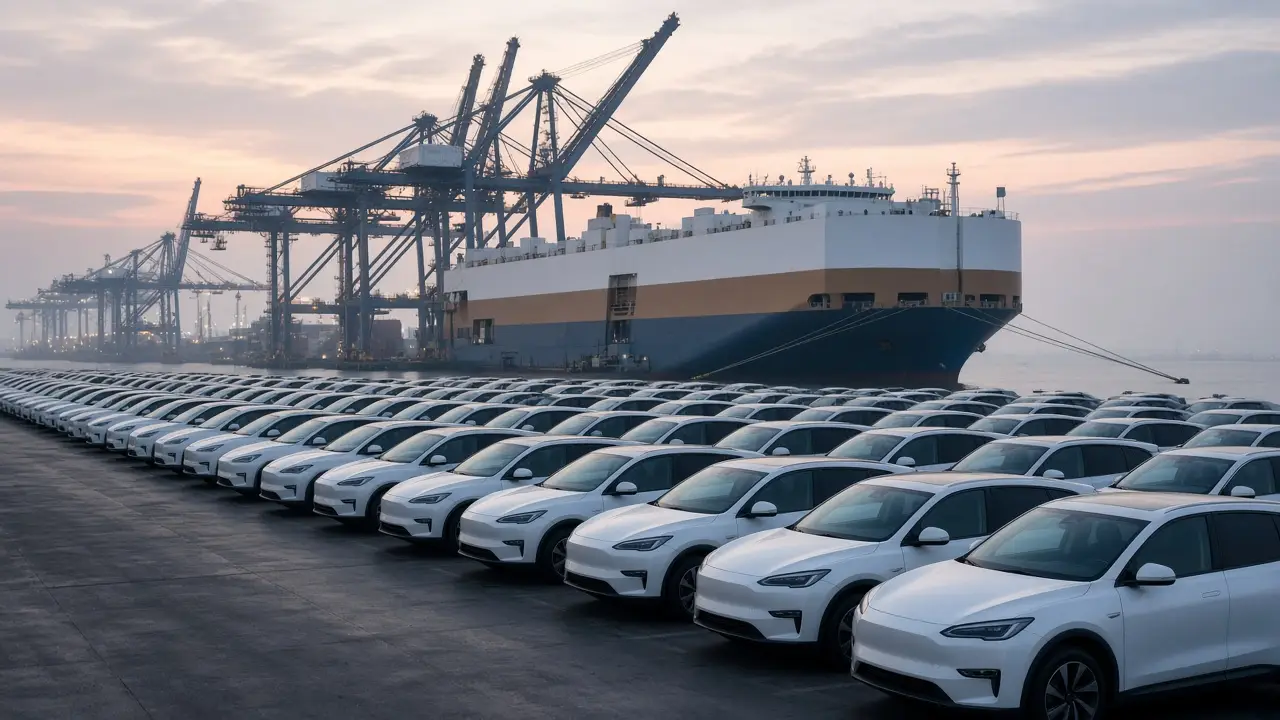
Tesla sales of China-made electric vehicles reached 67,829 in October, a 10.3% increase from the same month last year, Reuters reported November 3 citing the China Passenger Car Association. The total covers Model 3 and Model Y vehicles made at Tesla’s Shanghai factory, including vehicles exported to other markets. The figure was 28.9% below September, underscoring the difference between annual and monthly comparisons.
The figures matter because Shanghai serves both China and overseas customers. A change in shipments from the plant does not necessarily mean an equivalent change in retail demand inside China. Seasonal production, exports and inventory flows can affect the monthly result. October marked the twelfth consecutive month of year-over-year growth in the reported measure, although that streak does not eliminate competitive pressure.
Two comparisons tell different stories
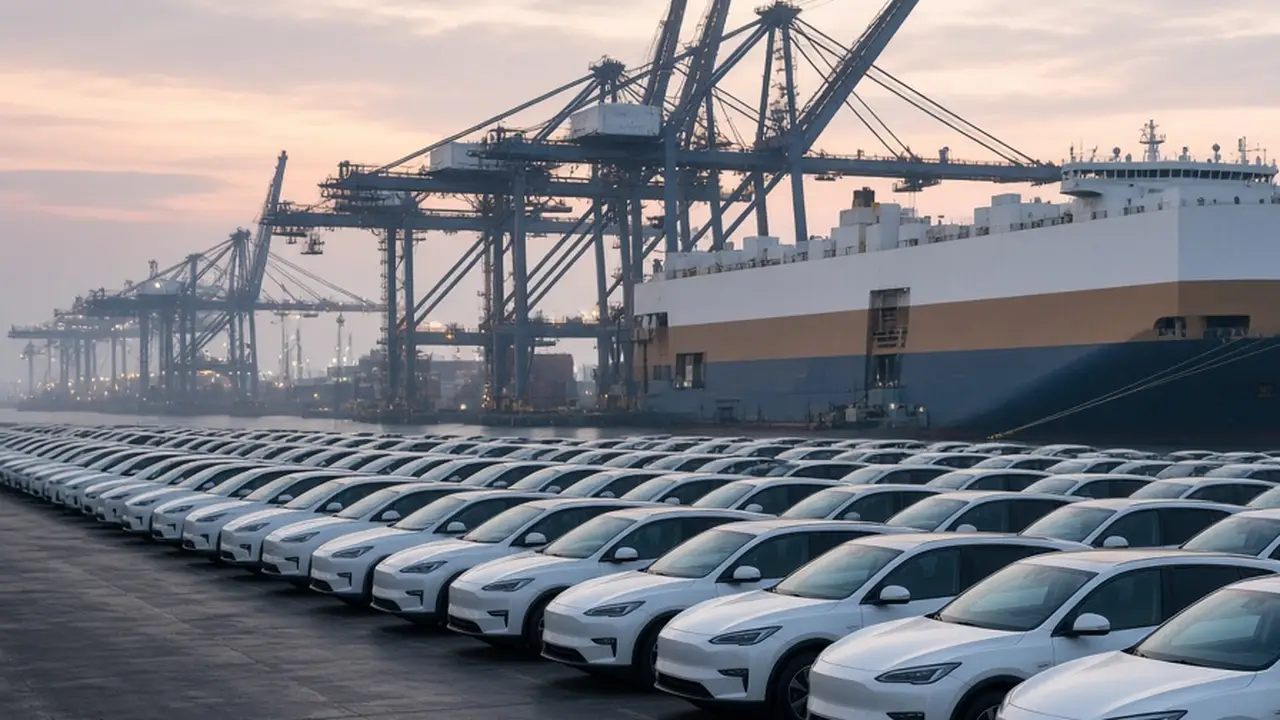
The China Passenger Car Association figure shows Tesla's Shanghai output moving in opposite directions depending on the baseline. October deliveries were 10.3% higher than a year earlier, faster than September's 5% annual gain. But they were 28.9% lower than September's volume. Reuters also reported that October was the twelfth consecutive month in which the Shanghai-built measure rose from the comparable year-earlier month. None of those numbers alone identifies the reason for the monthly decline.
The distinction is important because the association's count combines deliveries to Chinese customers with vehicles exported from the plant. Shanghai manufactures Model 3 sedans and Model Y SUVs for multiple destinations, including Europe, Asia-Pacific markets and Canada. It would therefore be inaccurate to describe 67,829 as Tesla's October retail sales inside China. A change in export scheduling can alter the reported plant total without corresponding to an identical change in domestic demand.
The international role of Shanghai
Reuters reported improving October Tesla registrations across several European markets, extending a regional rebound. It also identified South Korea as a significant export destination: that market accounted for one-fifth of Shanghai-made Tesla exports in the first nine months of 2026, and Tesla led South Korea's imported-car sales. These facts help explain why production and shipment data from China matter to consumers and competitors well beyond the Chinese market.
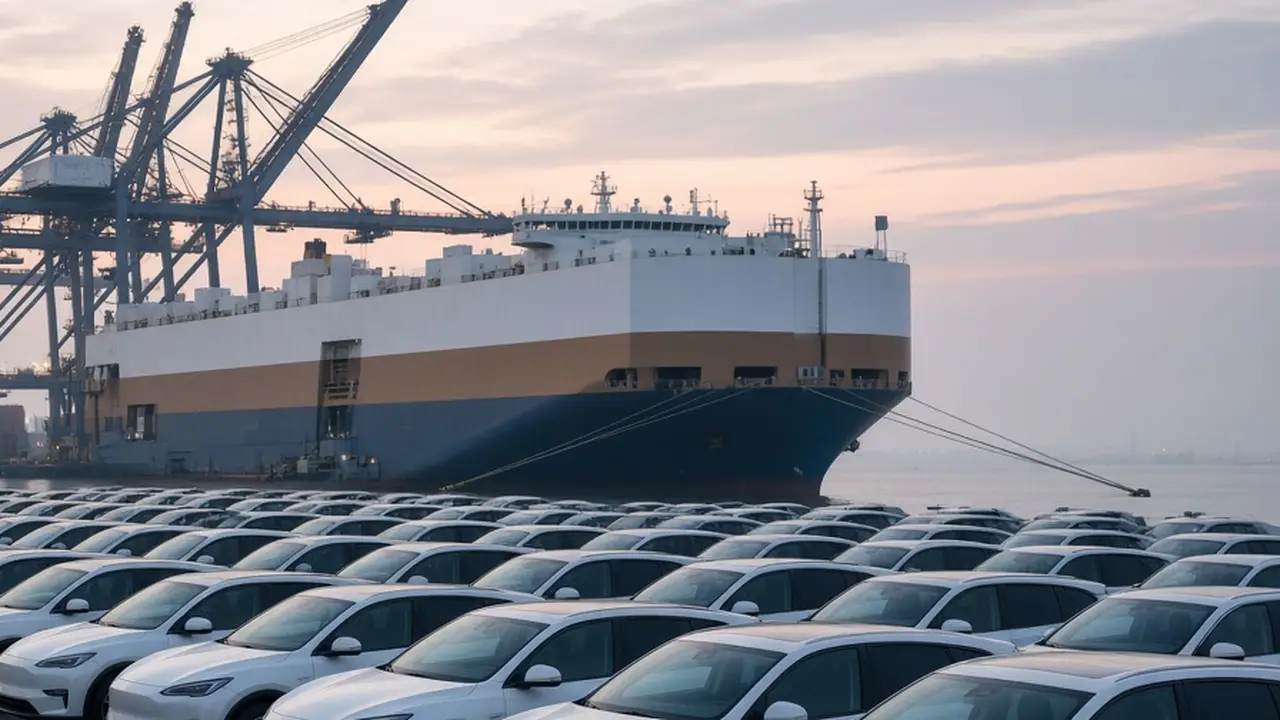
They also complicate any interpretation of Tesla's position against local manufacturers. An increase in factory deliveries could be driven partly by overseas shipments, while a domestic rival might be gaining or losing share independently. To measure the competitive picture inside China, analysts need country-level registrations and comparable figures from rivals, not just one factory's combined domestic-and-export deliveries.
Capital spending and the next data points
The sales update arrives as Tesla allocates capital to businesses beyond passenger cars. Reuters noted that the company reduced its annual capital-expenditure outlook by one-fifth and reported positive third-quarter free cash flow, with spending on AI and robotics below analysts' expectations. Those disclosures affect how investors evaluate the ability of the core vehicle operation to finance newer initiatives.
For the car business, the next useful evidence will be November shipment data, export breakdowns and retail registrations. October's figures establish sustained annual growth at Shanghai, but the sharp sequential drop cautions against reading the release as an uncomplicated acceleration.