BMW says a new i3 50 xDrive crossed Europe on 2 hours 46 minutes of charging
BMW's newsroom said the i3 50 xDrive covered 5,886.7 km from Norway's North Cape to Tarifa, Spain, with 2 hours, 45 minutes and 54 seconds of public DC charging and average use of 12.5 kWh/100 km.
Last updated
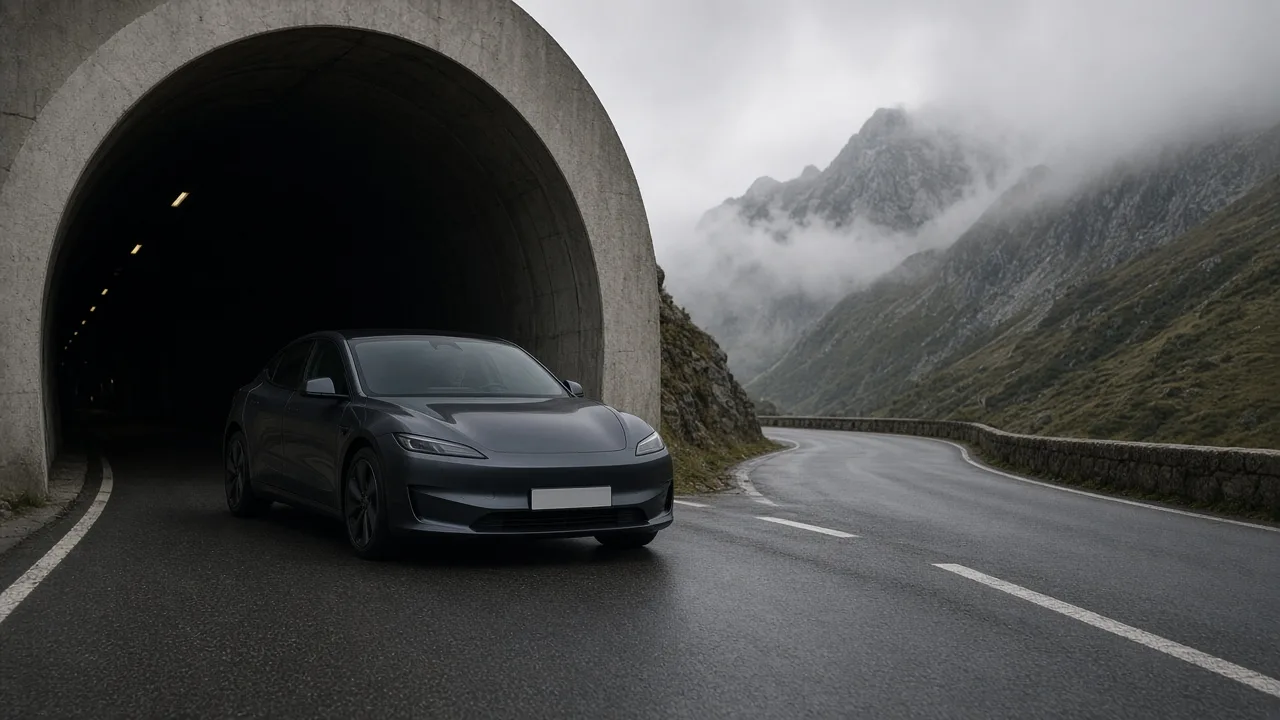
BMW said in a 10 November newsroom post that a production-specification BMW i3 50 xDrive completed the Paneuropeana route from the North Cape in Norway to Tarifa in Spain, covering 5,886.7 km across eight countries with a total DC charging time of 2 hours, 45 minutes and 54 seconds.
The company presented the run as a test of range, charging speed and long-distance usability on a route created by Rafael de Mestre. The key measure, BMW said, is the shortest total charging time between set checkpoints, not the fastest driving time. Charging stops were not pre-assigned, and the car used only publicly accessible points on national networks. BMW said one engineer drove the record car, accompanied by an identical i3 and a BMW iX3 50 xDrive as support vehicles, all in standard production hardware and software.
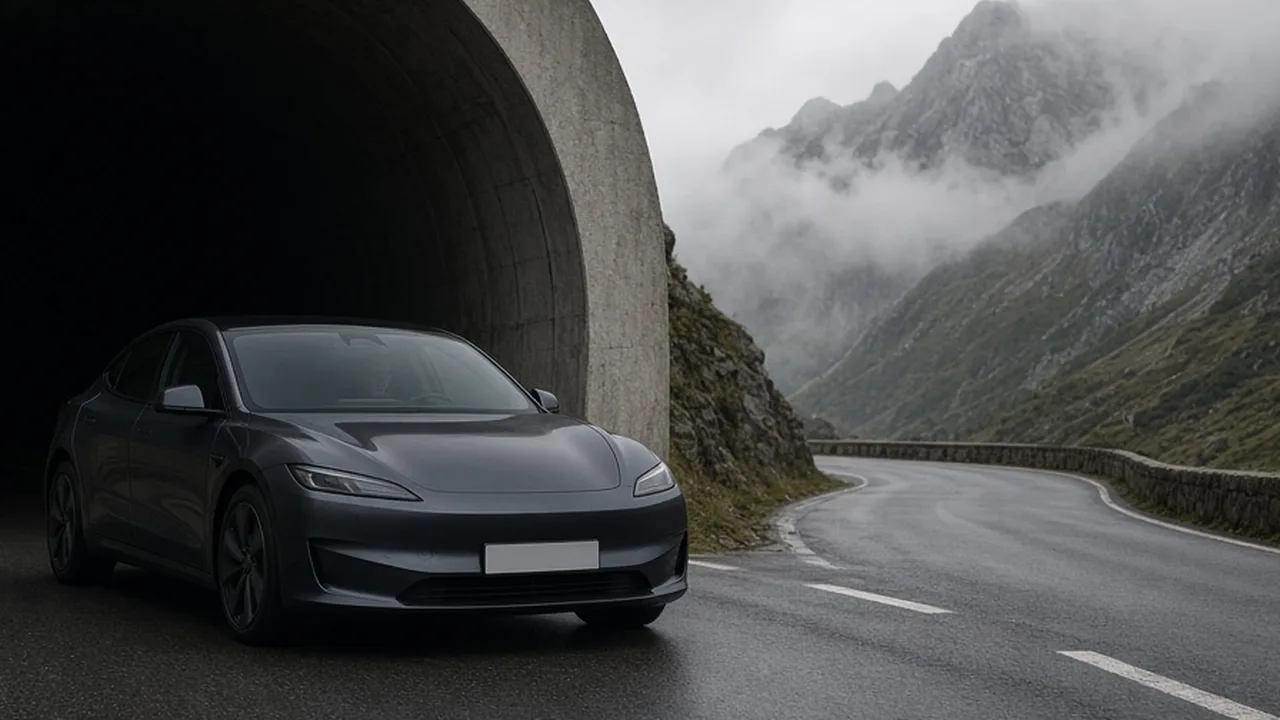
On the road, BMW reported average energy use of 12.5 kWh per 100 km, below the i3 50 xDrive's official WLTP combined figure of 18 to 13.4 kWh/100 km. Driving time was 3 days, 2 hours and 41 minutes, at an average speed of 79.7 km/h. Average charging power was 275 kW. Mike Reichelt, head of Neue Klasse for BMW's compact and midsize class, said: "With a total charging time of just 2 hours and 46 minutes, we beat the previous record from 2017 by more than seven hours." That comparison, and the record claim, are BMW's.
The i3 50 xDrive is the first fully electric 3 Series on BMW's Neue Klasse architecture. The newsroom post lists a 108.7 kWh usable battery, two motors with a combined 345 kW (469 PS) and 645 Nm, a 0-100 km/h time of 4.7 seconds, a top speed of 200 km/h, and a WLTP range of up to 912 km. It also cites DC charging at up to 400 kW, enough, BMW said, to add energy for up to 423 km of WLTP range in 10 minutes, a drag coefficient of 0.21, and Gen6 motors whose energy losses are 40% lower than Gen5. Those figures are official specification and test-cycle claims, not measurements from an independent laboratory.
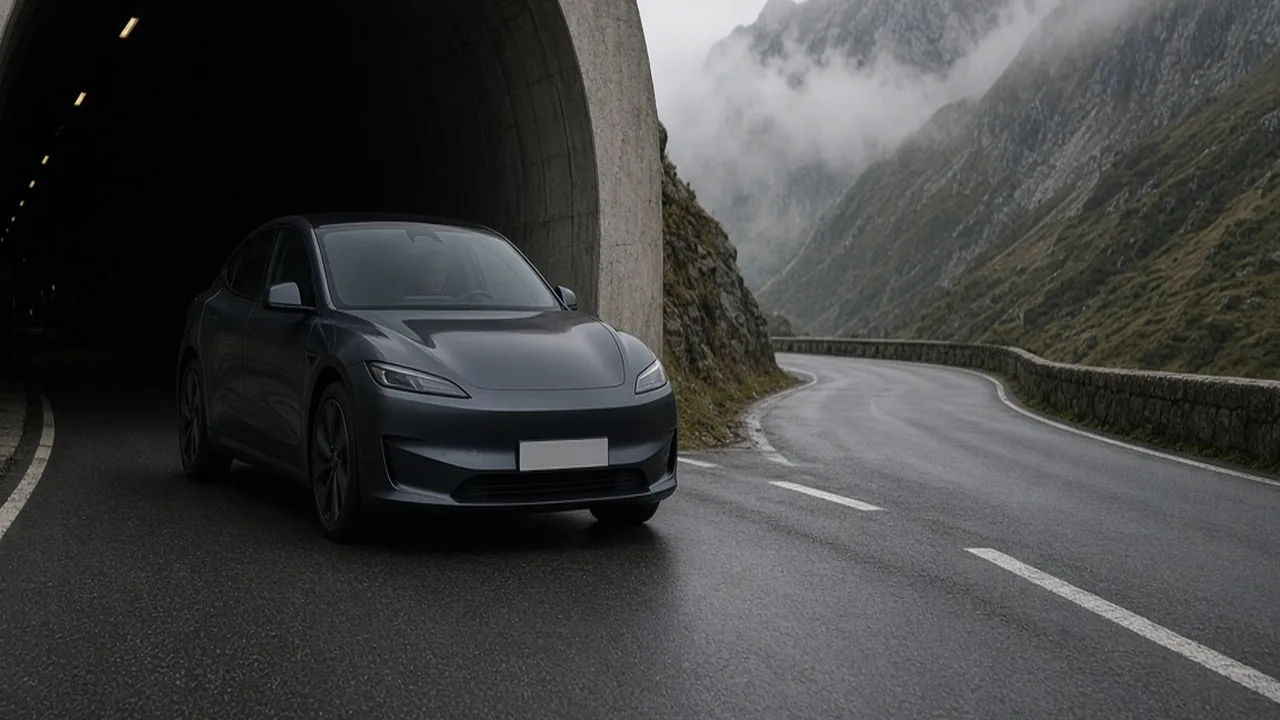
BMW framed the trip as evidence of everyday long-distance capability rather than a closed-course stunt. The numbers above are as published by BMW Group on 10 November 2026.