How electric-vehicle batteries are recycled, and what second life means
The U.S. Department of Energy’s Alternative Fuels Data Center says most plug-in hybrids and all-electric vehicles use lithium-ion batteries, and that studies have shown a pack could have at least 70 percent of its initial capacity left at the end of its life if it has not failed or been damaged. The same page describes pyrometallurgy, hydrometallurgy, and direct recycling, plus the department’s recycling prize.
Last updated
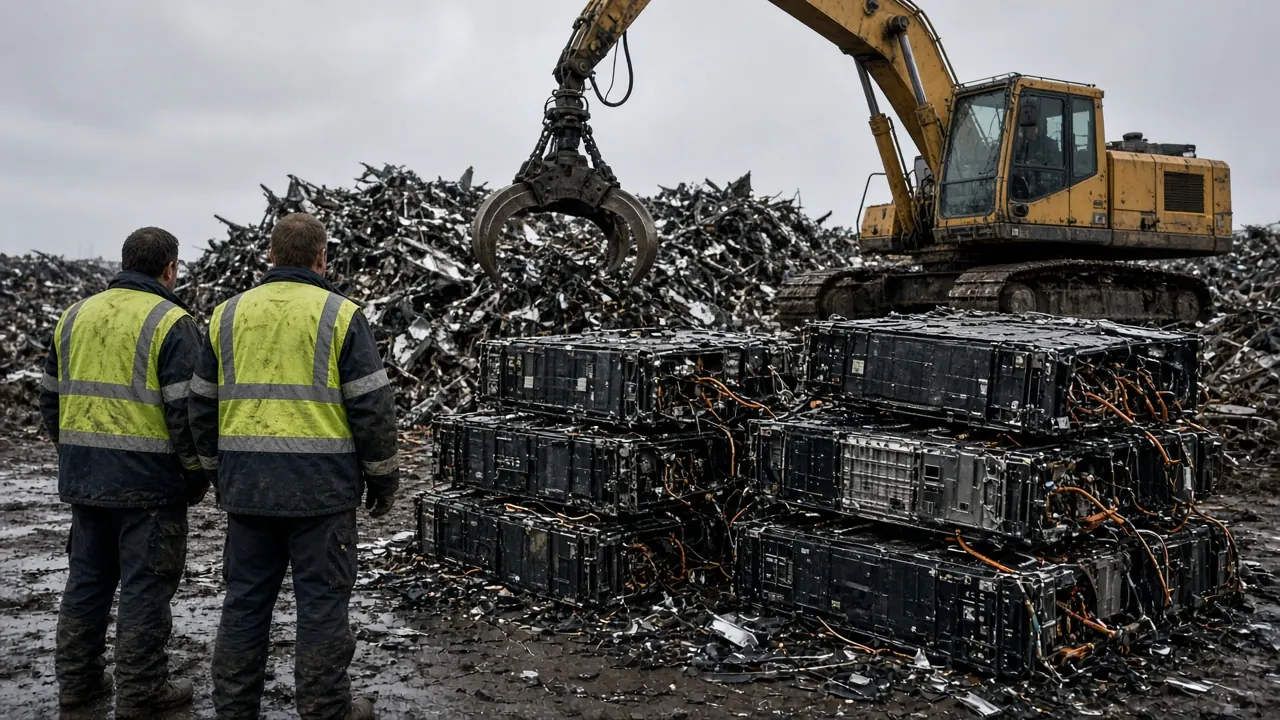
An electric-vehicle battery is an energy-storage system, not a single chemistry with a single end-of-life path. This page follows the U.S. Department of Energy’s Alternative Fuels Data Center article, “Batteries for Electric Vehicles.” The types, second-life figures, and recycling methods below are the ones on that page. The desk recorded the page on 25 November 2026. This is not a guide to selling a pack, handling hazardous material, or investing in a recycling plant.
The storage systems the Energy Department lists
The Alternative Fuels Data Center says energy storage systems, usually batteries, are essential for all-electric vehicles, plug-in hybrid electric vehicles (PHEVs), and hybrid electric vehicles (HEVs). It then lists the systems used in those vehicles.
Lithium-ion batteries, it writes, are currently used in most portable consumer electronics such as cell phones and laptops “because of their high energy per unit mass and volume relative to other electrical energy storage systems.” The same paragraph says they also have a high power-to-weight ratio, high energy efficiency, good high-temperature performance, long life, and low self-discharge. Most components of lithium-ion batteries can be recycled, the page says, “but the cost of material recovery remains a challenge for the industry.” Most of today’s all-electric vehicles and PHEVs use lithium-ion batteries, “though the exact chemistry often varies from that of consumer electronics batteries.” Research and development, it adds, are ongoing to reduce their relatively high cost, extend their useful life, use less cobalt, and address safety concerns in regard to various fault conditions.
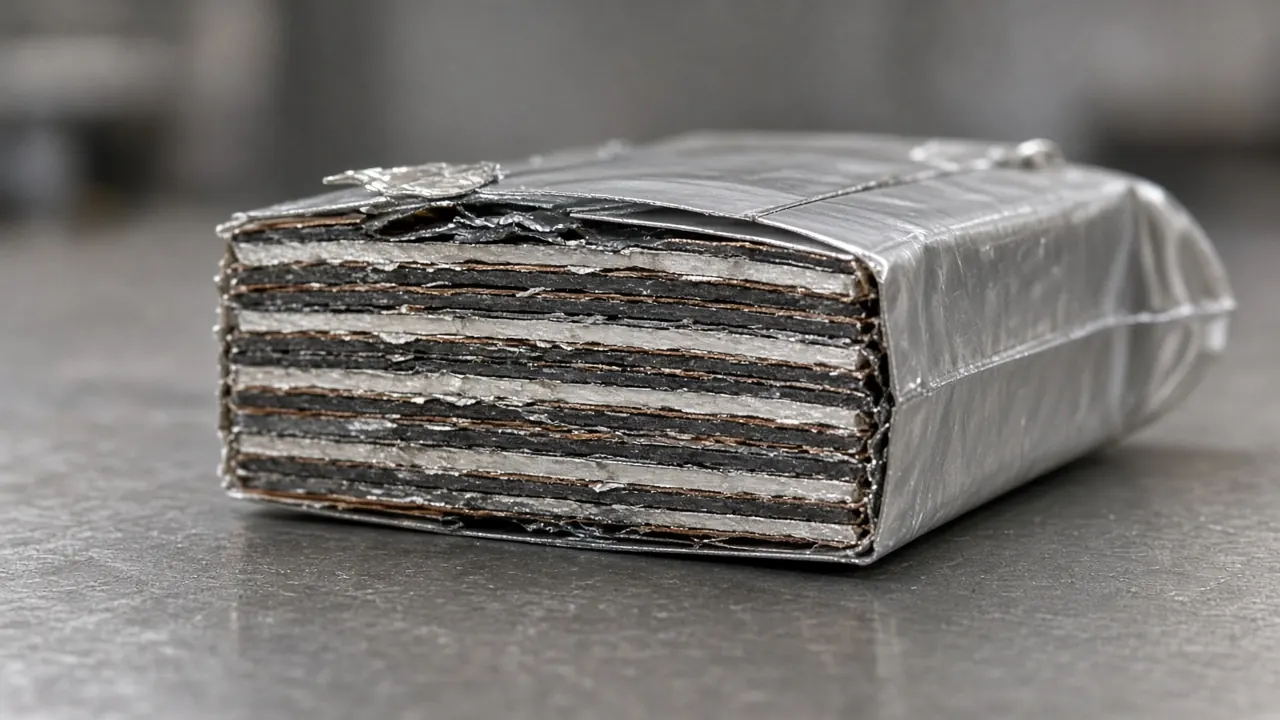
The page does not, in that section, give a table of energy-density numbers by chemistry. This article does not invent one. “The exact chemistry often varies” is as far as the source goes on the difference between a pack in a car and a pack in a phone.
Nickel-metal hydride batteries, the same page says, are used routinely in computer and medical equipment and offer reasonable specific energy and power capabilities. They have a much longer life cycle than lead-acid batteries and are “safe and abuse-tolerant.” These batteries, it writes, have been widely used in HEVs. The main challenges it lists are high cost, a high self-discharge rate, heat generation at high temperatures, and the need to control hydrogen loss.
Lead-acid batteries, it says, can be designed to be high power and are inexpensive, safe, recyclable, and reliable. Low specific energy, poor cold-temperature performance, and short calendar and life cycle “impede their use.” Advanced high-power lead-acid batteries are being developed, the page says, but in commercially available electric vehicles they are used only for ancillary loads. They are also used for stop-start functionality in internal-combustion vehicles to eliminate idling during stops and reduce fuel consumption.
The page also describes ultracapacitors, which store energy in the interface between an electrode and an electrolyte when voltage is applied. Energy-storage capacity increases as the electrolyte-electrode surface area increases. Ultracapacitors, it says, have low energy density but very high power density, “which means they can deliver high amounts of power in a short time.” They can provide vehicles with additional power during acceleration and hill climbing and help recover braking energy, and they may be useful as secondary energy-storage devices in electric vehicles because they help electrochemical batteries level load power.

Those four entries are the Energy Department’s typology on this page. They are not a ranking of products, and they do not say which chemistry a particular 2026 model uses.
Second life, as the page describes it
Electric vehicles, the Alternative Fuels Data Center writes, are relatively new to the U.S. auto market, “so only a small number of them have approached the end of their useful lives.” As they become more common, “the battery recycling market may expand.”
A specific remaining-capacity figure appears in the next paragraph. “Studies have shown that an electric vehicle battery could have at least 70% of its initial capacity left at the end of its life if it has not failed or been damaged.” The remaining capacity, the page says, “can be more than sufficient for most energy storage applications, and the battery can continue to work for another 10 years or more.” Many studies, it continues, have concluded that end-of-life electric-vehicle batteries are technically feasible for second-use applications such as stationary grid and backup power applications.
Background
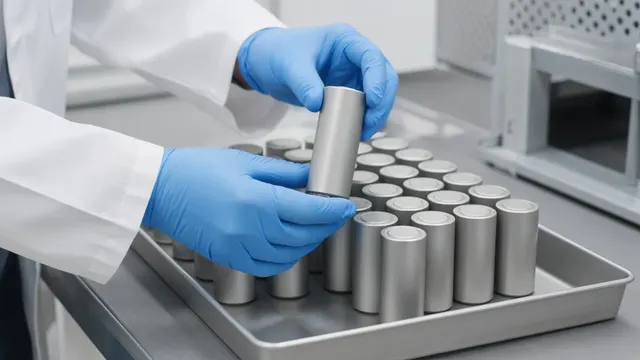
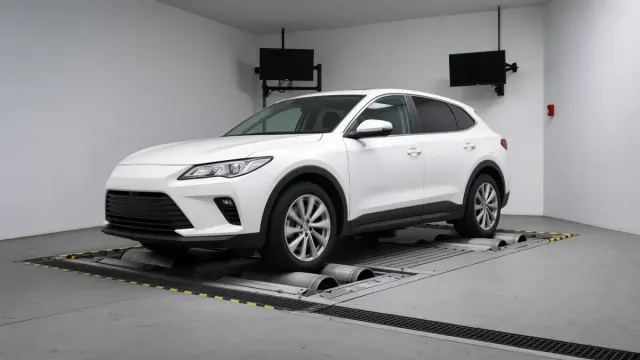
The economic picture, on the same page, is more cautious. Although there are viable business models for high-value, small, and niche applications — the page names powering forklifts and portable devices, replacing diesel backup generators, and acting as after-market replacement packs for electric vehicles — “the economic viability of installing second-life batteries is still evolving.” Costs associated with the purchase price of end-of-life batteries, it says, include transportation, storage, sorting and testing, remanufacturing, reassembly and repurposing, integration into battery energy storage systems, certification, and installation.
The 70 percent and “10 years or more” figures are the page’s summary of studies it does not name in that paragraph. This article repeats them as the Alternative Fuels Data Center states them, not as a measurement of any particular pack a reader owns. A pack that has failed or been damaged is excluded by the page’s own condition.
Why the department talks about recycling at all
Widespread battery recycling, the page says, would help keep hazardous materials from entering the waste stream, both at the end of a battery’s useful life and during its production. The U.S. Department of Energy, it writes, is also supporting the Lithium-Ion Battery Recycling Prize “to develop and demonstrate profitable solutions for collecting, sorting, storing, and transporting spent and discarded lithium-ion batteries for eventual recycling and materials recovery.” After collection, material recovery from recycling “would also reintroduce critical materials back into the supply chain and increase the domestic sources for such materials.” Work is underway, the page says, to develop battery recycling processes that minimize the life-cycle impacts of using lithium-ion and other kinds of batteries in vehicles. “But not all recycling processes are the same, and different methods of separation are required for material recovery.”
That prize and that supply-chain goal are the department’s stated programs and aims. This page does not treat them as a completed industrial result.
Three recycling methods, plus black mass
To recover valuable materials from lithium-ion batteries, the Alternative Fuels Data Center lists three major technologies “currently in different stages of commercialization”: smelting (pyrometallurgy), chemical leaching (hydrometallurgy), and direct recycling. In addition, it says, mechanical treatment through disassembly, crushing, shredding, and separation to create what is called black mass “is a major element of any recycling technology.”
Smelting, or pyrometallurgy, is described as high-temperature thermal treatment of batteries in a furnace to extract metals and intermediate salts, which can be further processed to create battery-grade precursors that could go to cathode processing facilities. The page says pyrometallurgy facilities are operational on a large scale and can accept multiple kinds of batteries, including lithium-ion and nickel-metal hydride. During high-temperature processing, organic materials, including the electrolyte and carbon anodes, “are burned as fuel or reductant.” Valuable metals and intermediate salts are recovered and sent to refining so they can be made into a product suitable for any use, including battery-grade processing. Other materials, including lithium, “are contained in the slag, which is used as an additive in concrete.” The page also notes that smelting “burns a significant amount of energy.”
Chemical leaching, or hydrometallurgy, is described as a chemical treatment that extracts key compounds from the black mass, including lithium compounds. The process uses leaching fluids such as inorganic acid, organic acid, alkali, or even bacteria solutions “that dissolve metals in cathodes to salts that can be used as precursors to make new cathodes.” Many companies in the United States and around the world, the page says, are building factories for hydrometallurgy “because of lower capex and flexibility to directly produce cathodes,” and “in the next few years, several facilities will come online to recycle the onslaught of batteries being retired.” That timing language is the department’s, not a construction schedule this desk has verified.
Direct recycling, the third method, “involves the recovery of cathodes while maintaining its molecular structure rather than breaking it down into constituent metals for reprocessing into battery-grade cathode.” Eliminating the need for smelting or chemical leaching, the page says, “makes the prospect of direct recycling most economically viable.” With improvement in efficiencies and at-scale production of “cathodes of the future,” it adds, direct recycling factories “could be a viable option.” Those are prospective words on the page, and this article leaves them that way.
Separating the different kinds of battery materials, the department writes, “is often a stumbling block in recovering high-value materials.” Therefore, “battery design that considers disassembly and recycling is important.” Standardizing batteries, materials, and cell design “would also make recycling easier and more cost-effective.” That is a design recommendation in an Energy Department explainer, not a regulation cited on the page.
How to read this page
The Alternative Fuels Data Center’s account is a typology and a process description. Most plug-in hybrids and all-electric vehicles, it says, use lithium-ion batteries, with chemistries that often differ from consumer electronics. A pack that has not failed or been damaged could, according to studies the page summarizes, still hold at least 70 percent of its initial capacity and might be used for years in a second-life role, though the economics of that role are still evolving. Recycling, in this telling, is a set of industrial methods — pyrometallurgy, hydrometallurgy, and direct recycling — built around the mechanical production of black mass, with trade-offs the page itself names, including the energy use of smelting and the still-developing status of direct recycling.
This page does not say what a reader should do with a used pack, and it is not a price or a safety manual. Handling and disposal rules are set by regulators, not by this explainer. The source for every process and figure above is the Alternative Fuels Data Center page Batteries for Electric Vehicles.