Briggs & Stratton’s new 16 kWh home battery can stack to 512 kWh, enough on paper for about 18 days of average use
Briggs & Stratton has launched a 16 kWh SimpliPHI LFP home battery that can be stacked up to 512 kWh. It is rated for 8,000 cycles at 90% depth of discharge, works with several inverter brands and comes with a 12-year parts warranty. Pricing was not announced.
Last updated
Home batteries keep getting bigger. "Briggs & Stratton keeps the lights on longer with bigger 16 kWh LFP battery," Electrek posted on X on Sunday, linking its report on the new SimpliPHI 16.
The specs
According to Electrek:
- Capacity: 16 kWh per battery
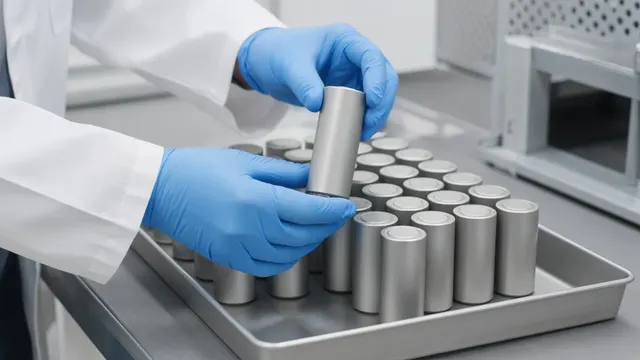
- Chemistry: lithium iron phosphate (LFP)
- Maximum system size: stackable up to 512 kWh
- Cycle life: 8,000 cycles at 90% depth of discharge, with 70% capacity at end of life
- Charge and discharge rate: 0.5C
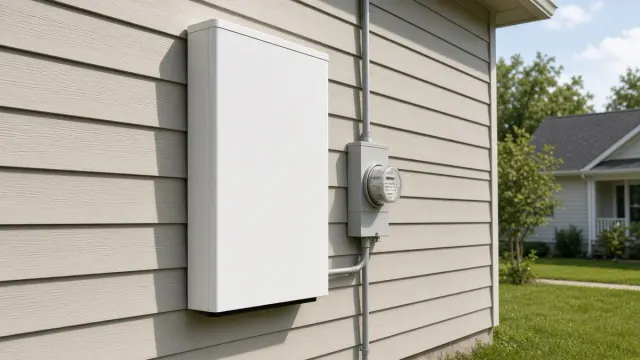
- Enclosure: IP65, for indoor or outdoor use, on the ground or a wall, without an extra cabinet
- Warranty: 12 years on parts, including labour and travel, with US-based tech support
- Price: not announced; available for pre-order
How big is 512 kWh?
Electrek compares it with the average US home, which uses about 865 kWh a month. By that measure, a fully stacked 512 kWh system could in theory run an average home for nearly 18 days after a storm. Real backup time depends on how much power a home actually draws, and most buyers will install far fewer than 32 units.
Background

Built for installers
The battery has an onboard battery management system and built-in Wi-Fi gateway. Its automatic inverter sensing supports closed-loop communication with Sol-Ark, Solis, EG4, Growatt, Megarevo, Victron and other inverters, Electrek reports. An integrated circuit breaker lets technicians isolate the battery during servicing.
A change of strategy
Briggs & Stratton's earlier stackable SimpliPHI batteries were smaller, and last year it partnered with Texas-based EG4 on a backup power package, Electrek says.
"This launch represents a significant shift in our battery strategy," said Sequoya Cross, vice president of energy storage at Briggs & Stratton. "Our combined resources allow us to bring a competitively priced battery of the highest quality to energy storage installers."
Why it matters
LFP has become the default chemistry for both affordable EVs and home storage, because it is cheaper and lasts more cycles than nickel-based cells. More large LFP home batteries also matter for EV owners, who increasingly pair solar, home storage and overnight charging. The missing piece here is price, which will decide how this stacks up against rivals.