BASF is getting out of EV battery recycling and selling the business to a German start-up
BASF has agreed to sell its battery recycling business in Europe and North America, including its black mass plant in Schwarzheide, Germany, to start-up cylib. BASF will focus its battery unit on cathode active materials. Closing is expected in Q2 to Q3 2027.
Last updated
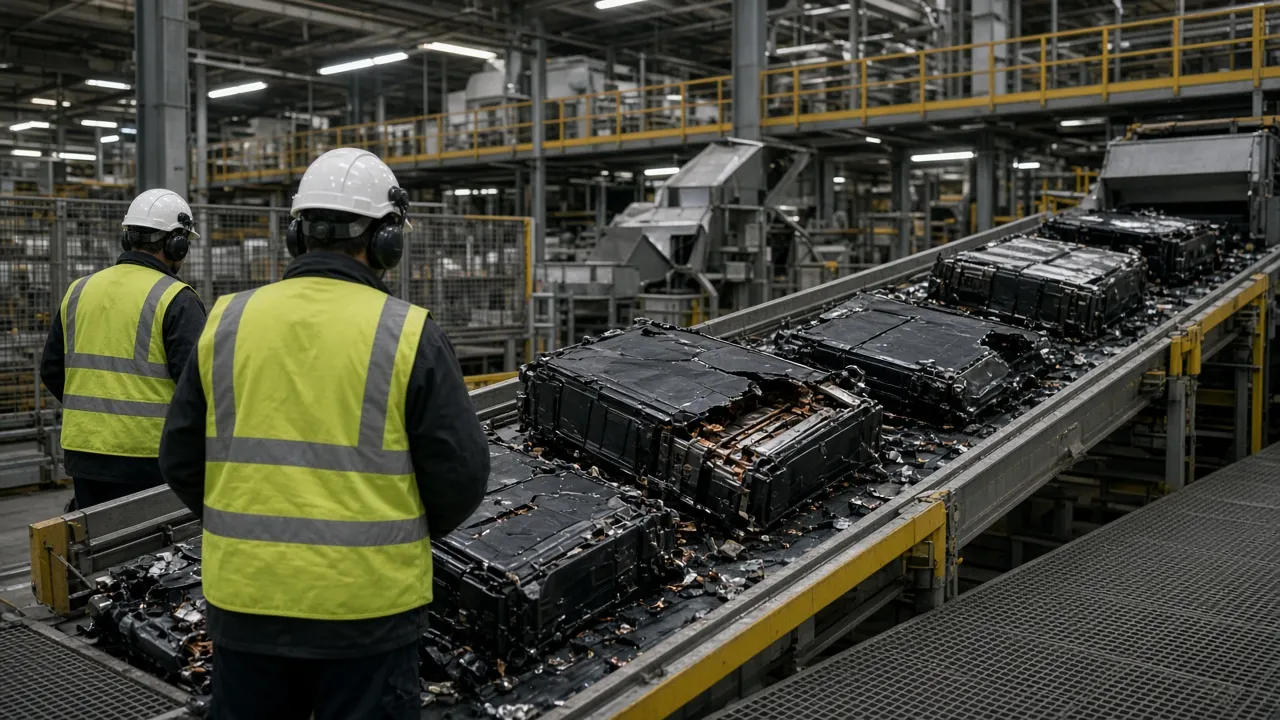
One of Europe's biggest chemical companies is stepping back from recycling old EV batteries. "BASF is selling its battery-recycling operations in Europe and North America to Cylib," Bloomberg posted on X on Monday.
BASF confirmed the deal in a news release. The two companies signed the agreement on 20 November.
What cylib is buying
According to BASF, the sale covers:
- BASF's battery recycling activities in Europe and North America
- intellectual property, customer contracts and partner relationships
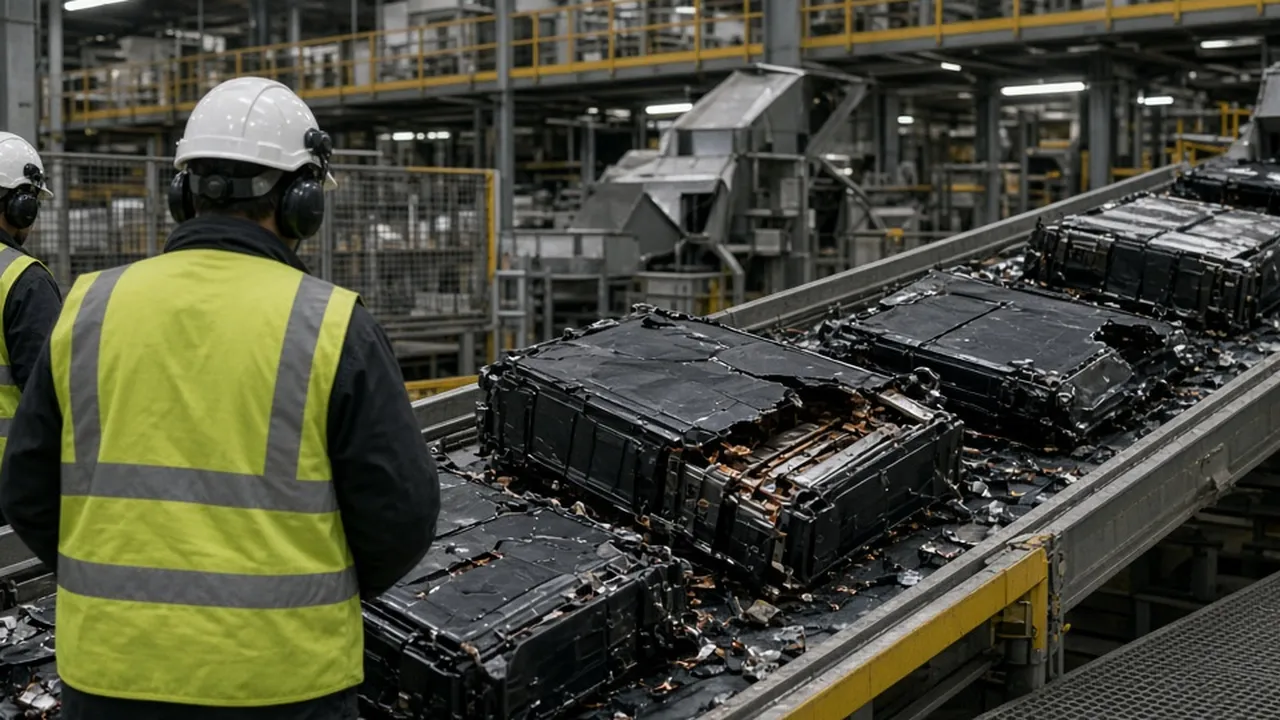
- the black mass production plant in Schwarzheide, Germany
- the battery recycling prototype plant at the same site
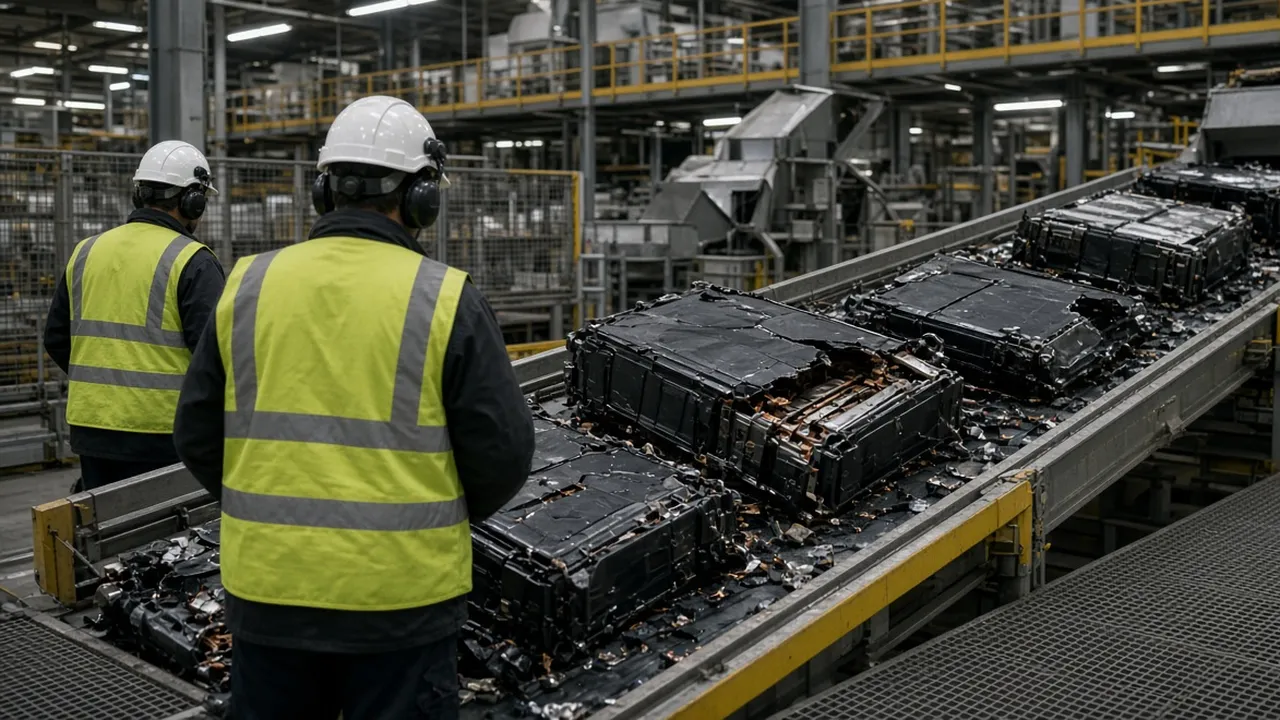
Black mass is the powder left after old batteries are shredded. It holds the lithium, nickel and cobalt that recyclers want to recover.
BASF said existing customer and partner relationships stay in place, and it will keep running the business until the deal closes. The companies did not disclose financial terms.
Background
Why BASF is selling
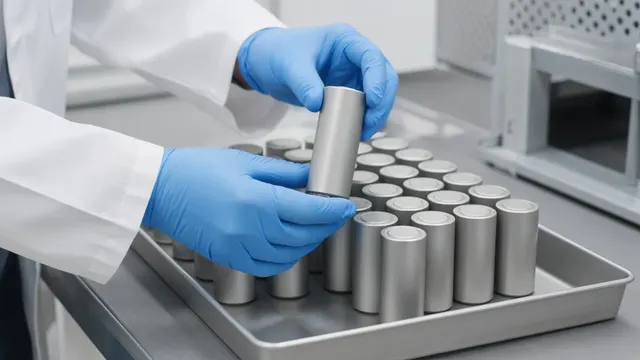
BASF is narrowing its battery unit to cathode active materials, the part of a battery cell where it sees "the strongest potential for customer value, differentiation, and profitable development." The company said this builds on a strategy reset that began in 2024 in response to changing conditions in the EV market.
"BASF Battery Materials operates in an attractive long-term growth market that is also characterized by significant market and technology risks," said Anup Kothari, a member of BASF's board of executive directors.
What cylib gets
Cylib is based in Aachen, according to electrive. "Recycling is cylib's core business," said co-chief executive and co-founder Gideon Schwich in BASF's release. He said Schwarzheide adds another site to cylib's network in Europe where end-of-life batteries are processed into black mass.
When it happens
The deal is expected to close between the second and third quarter of 2027, subject to approval by authorities and customary conditions.
Why it matters for EVs
Recycling is how Europe hopes to keep battery metals in the region as the first big wave of EV packs reaches end of life. A chemical giant handing the job to a specialist suggests the economics favour focused players, at least for now. BASF stays in the supply chain as a cathode maker.