CATL and BAIC sign a battery-swap pact aimed at one million vehicles
CATL's 22 October statement says BAIC will connect multi-brand models to its chocolate battery-swap ecosystem and that the two companies are pushing toward one million swap vehicles. The statement sets no date for that figure.
Last updated
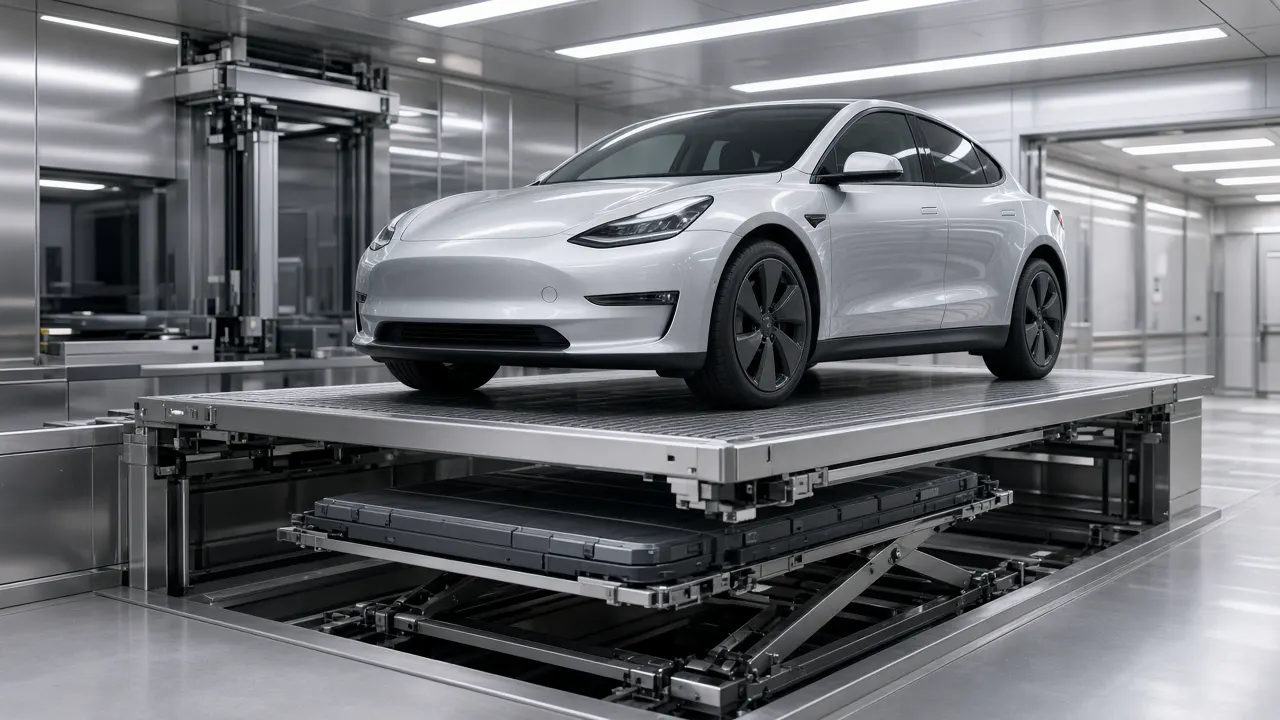
CATL and BAIC Group signed a battery-swap agreement in Beijing on 22 October 2026, and CATL's own statement sets the scale at one million vehicles. The statement on CATL's site, dated that day, says the companies will work on vehicle development, supply of swap batteries, the swap network, a battery bank, and new business models, with the stated aim of pushing the business toward shared standards and larger scale. The headline calls the goal a million-vehicle-level swap ecosystem. In the body, CATL says BAIC will bring compatible models from multiple brands into its chocolate battery-swap ecosystem and that the two will sprint toward a target of one million swap vehicles.
The Business Times, in a report published on 23 October, describes the same Thursday announcement. It says BAIC will bring compatible models from multiple brands into the network CATL calls Choco-Swap, and that the aim is a system servicing one million vehicles. It also says the companies did not disclose a timeline for that target. CATL's statement, as posted, likewise gives no year, no station count, and no list of model names.
What the companies say they will build
The CATL statement divides the work into two practical pieces. The first is the vehicles. BAIC, it says, will connect suitable models across its brands to the chocolate swap ecosystem so that swapping can become a mainstream choice for more drivers. The statement uses CATL's Chinese name for that system, 巧克力换电, which is the chocolate swap network. The Business Times renders that name in English as Choco-Swap. This article uses both labels for the same system named in those two accounts.
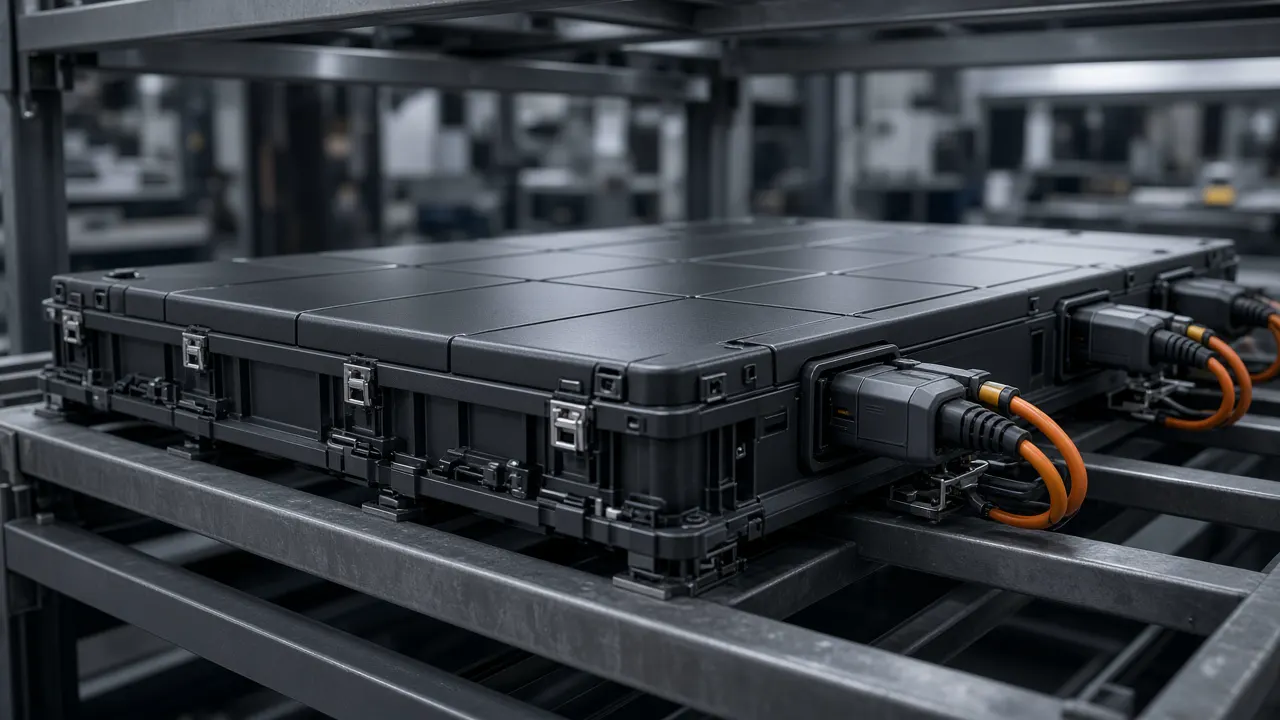
The second piece is the stations. CATL says BAIC will open its dealer network, and that the chocolate swap service will use dealer sites to speed the placement of stations. The two sides will explore a jointly operated model. The phrase CATL uses for the service area is a "10-minute energy-replenishment circle," meaning a dense enough set of stations that a driver can restore range by swapping within that window. The statement says the companies will keep working on a shared network, a fuller industry setup, and common standards, and that they want public replenishment sites that are efficient and can be repeated elsewhere.
The Business Times account matches those workstreams in shorter form. It says the companies will cooperate on vehicle and battery development, infrastructure construction, battery management, and new business models. It attributes the Thursday description to CATL. It does not add a construction schedule.
Who signed, according to CATL
CATL's statement names the people at the signing. It says Zhang Guofu, a member of BAIC's party standing committee and a deputy general manager, and Yang Jun, co-president of CATL's market system, signed for the two companies. It says Zhang Jianyong, BAIC's party secretary and chairman, and Zeng Yuqun, CATL's chairman and chief executive, were among those who attended and witnessed the signing. The statement presents that as the roster of a corporate event. It does not describe personal motives, and this article does not add any.
What is not in the announcement
A million-vehicle target is a scale claim, not an operating network. The CATL post does not say how many swap-capable BAIC vehicles are on the road now, how many stations the venture will add, or which brands and nameplates join first. It does not say whether the million refers only to future BAIC vehicles or to a wider pool of cars using the same stations. The Business Times likewise says no timeline was disclosed.
Readers should keep the two documents in their lanes. CATL's page is the company's announcement of an agreement and a target. The Business Times article is a news report of that announcement, including the English name Choco-Swap and the explicit note that no date was attached to the million-vehicle aim. Neither page, in the text reviewed for this story, is a station map or a delivery forecast.
The agreement is still a commercial plan with a defined scope on paper: cars that can use the swap system, batteries supplied for that system, stations tied to BAIC's dealers, a battery-bank element, and a search for a business model. The number attached to it, in CATL's wording, is one million swap vehicles and a million-vehicle-scale ecosystem. Until either company publishes a schedule or a station plan, that number is the destination they announced on 22 October, not a count of cars already driving.